Updated: 16 October 2026
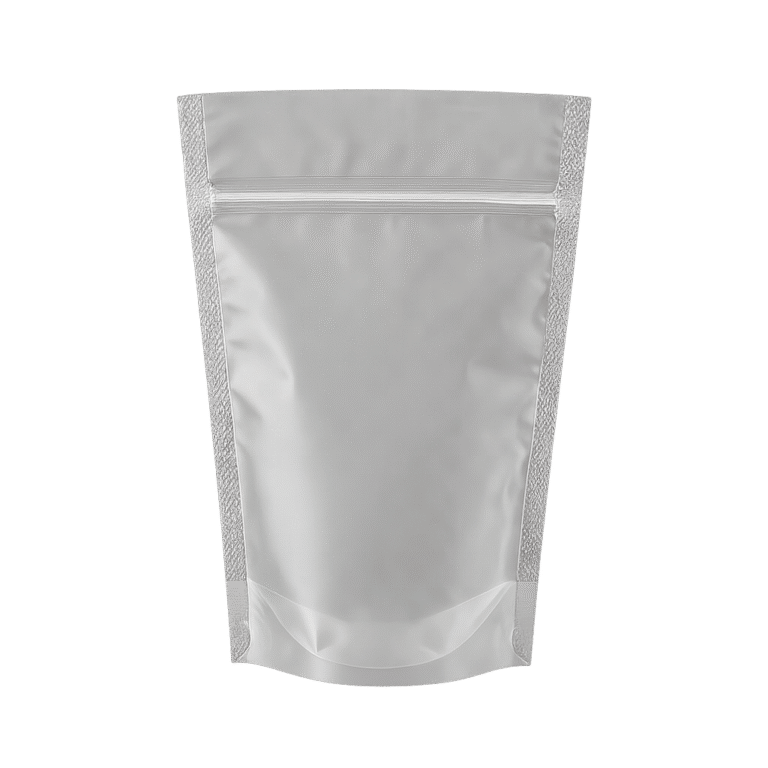
A standing pouch brief for powder should describe the contents, target fill weight, filling method, closure, storage, and shipping conditions. Ask the supplier to confirm the material structure and sealing compatibility. Evaluate samples with the actual powder. A pouch shape or zipper alone does not establish moisture protection, food-contact suitability, or shelf life.
What information is needed to select a standing pouch for powder?
Begin with the product and its intended use. State whether the powder is a food or nonfood product, its target weight, and how the customer will use it. Separate confirmed information from requirements still needing evaluation. Product photographs can support a discussion, but they do not replace information about the contents.
Our Cave Mekar Group standing pouch page provides a consultation route and identifies PP standing pouches among Prima Gracindo’s packaging products. Do not assume that every standing pouch has a multilayer structure or a particular barrier. Confirm the actual variant and its suitability.
Why does fill weight not determine pouch size?
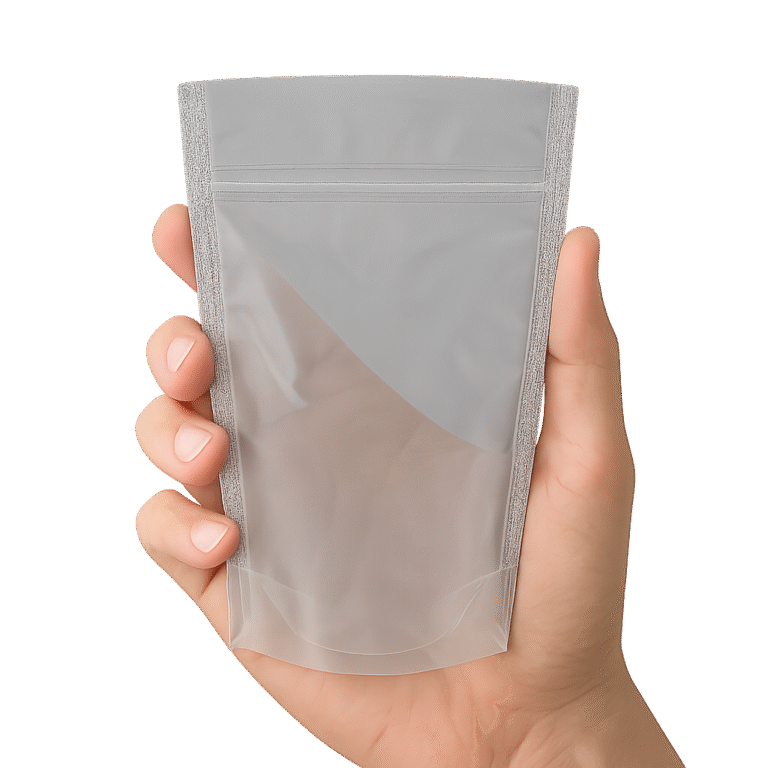
Provide a sample of the contents and explain the filling method. Different powders may occupy different volumes at the same weight. Space for the closure also matters. A weight printed on another product’s pouch is not a reliable size specification for your powder.
Explain whether filling is manual or uses equipment. During sample evaluation, observe filling access, available space, and the closure area. Record findings for that variant rather than assigning one capacity to every powder or pouch size.
Which protection requirements should be discussed?
Describe relevant concerns such as moisture exposure, aroma, and storage conditions. Ask which structure is offered and what documentation or evaluation is needed. A neat appearance or an upright pouch does not prove an airtight or moisture-resistant result.
Mondi’s flexible packaging information offers general context for discussing application features. Its product specifications and certifications must not be presented as specifications of a group product. Match requirements to the variant actually offered.
How should zipper and sealing needs be described?
State how the package will be closed initially and how the customer is expected to open it. If a zipper is requested, ask about its function and limits on that variant. A zipper does not automatically establish initial sealing compatibility or product protection.
Provide equipment and process information. This guide gives no universal sealing temperature. Test with the actual contents and process, document trial conditions, and discuss powder reaching the closure area before approving the package.
How should actual samples be evaluated?
Code each pouch sample and retain its variant information. Fill to the measured target weight, use the planned closure, and observe appearance and handling. Keep conditions consistent when comparing alternatives.
Check standing stability, fill space, access to the closure, and areas affected by handling. An initial sample trial identifies further questions; it does not prove shelf life, food-contact compliance, or performance throughout distribution.
What should the print and order brief include?
Attach revision-controlled artwork and identify information that must remain readable. Agree how physical print approval will work rather than treating a screen image as an approved physical result. State documentation requirements early.
| Brief section | Information |
|---|---|
| Contents | Powder, intended use, target weight |
| Process | Filling method, equipment, closure |
| Protection | Storage conditions and documentation |
| Samples | Variant, code, observations, open questions |
| Order | Print, quantity, destination |
Separate mandatory requirements from negotiable choices. Keep supplier answers and open questions together. Before approval, check that documents and samples refer to the same structure and size rather than a different comparison sample.
How are quantity and delivery discussed?
State quantity, ordering pattern, and destination city. Cave Mekar Group accepts enquiries from different regions of Indonesia. Variant availability, minimum quantities, pricing, documents, and delivery schedules require confirmation. This is not a supply guarantee or a claim of a factory in each destination city.
See Prima Gracindo’s group profile, Prima Gracindo, and Bliplastik’s food-packaging category for relevant consultation routes. Those routes do not replace product-specific evaluation.
When is the brief ready?
Send it when the contents, weight, filling, closure, protection, printing, and destination are sufficiently clear for discussion. Retain the agreed sample and the limits of its evaluation. Review suitability if contents, process, or distribution needs change.
Use Cave Mekar Group’s contact route. The group comprises five companies and seven plants overall. Do not infer price, capacity, certification, or shelf life from the standing pouch name.
Frequently Asked Questions
Do all standing pouches have the same barrier?
No. Confirm the offered variant’s material structure and protection capabilities.
Does powder weight determine pouch size?
No. Evaluate occupied space, filling, and closure needs with actual samples.
Does a zipper guarantee an airtight package?
No. Closure function, initial sealing, and protection require variant-specific evaluation.
Does a short trial establish shelf life?
No. An initial sample observation does not establish shelf life or all product requirements.
What should be sent for consultation?
Send contents, weight, filling, closure, protection needs, artwork, quantity, documents, and destination.
Follow @cavemekargroup and @primagracindo.
Related reading: A Plastic Spoon Brief for Takeaway: Menu, Containers, and Samples for another application of use-case briefs and actual sample checks.