Updated: 23 October 2026
What information should be prepared before a calcium masterbatch consultation?
Describe the known base resin, product format, production process, and evaluation objective. Include material documents or codes and reference samples where available, marking uncertain information clearly. The relevant team can determine testing follow-up. Do not set blend percentages, cost savings, or finished-product results from the calcium masterbatch name alone.
A calcium masterbatch consultation brief should explain the material currently used and the change you want to investigate. An additive name does not describe the finished product. We suggest purchasing staff ask production colleagues to assemble resin identities, product examples, and evaluation questions before sending an enquiry. Unknown information can remain open with a clear note.
Start a calcium masterbatch consultation brief with resin identity
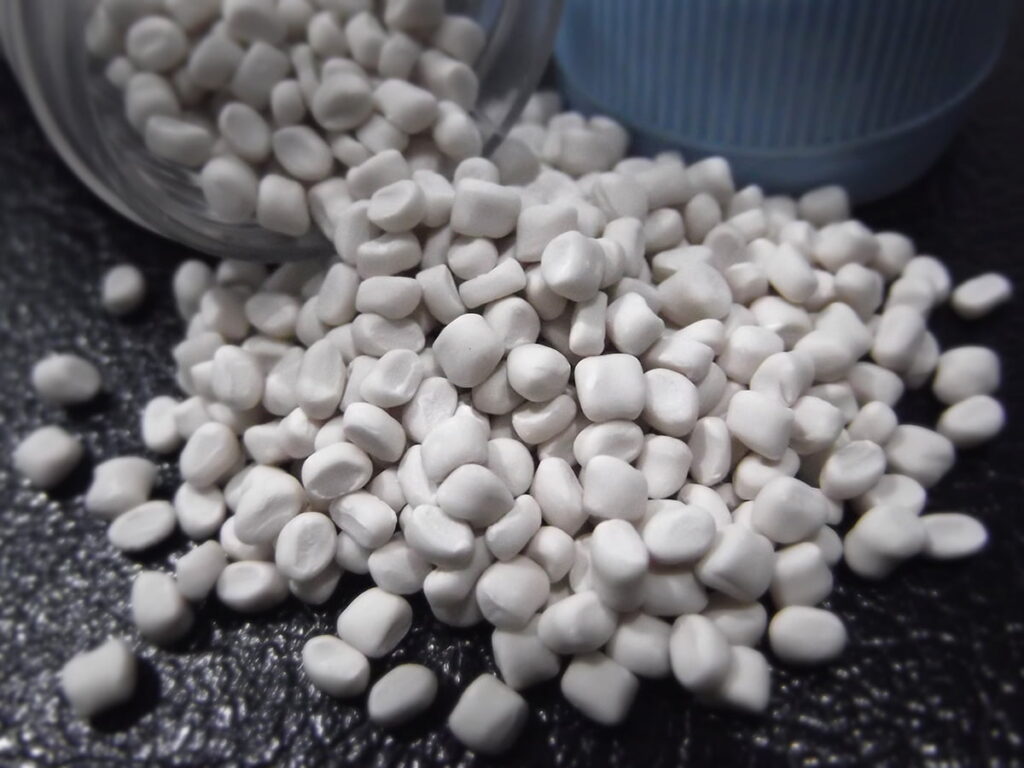
Copy the material name, manufacturer, and grade code exactly as recorded on the packaging or documents you actually hold. Photograph the complete label, then take a closer view of codes that need to be read. Avoid identifying resin from pellet colour or feel. If the warehouse name differs from the purchasing record, provide both and explain the discrepancy.
Where material comes from several sources, keep a separate record for each. State which source was used for the reference product sample. Materials described as the same in conversation may not share the same documented identity. The first question is which documents the team needs to assess the enquiry, rather than asking it to infer composition from one photograph.
The Cave Mekar Group calcium masterbatch page places the enquiry within materials and additives. That context does not prescribe a blend percentage for your project. Base resin, process, and finished-product characteristics still need to be explained together before follow-up is selected.
Describe the product and relevant process stages
Name the product format, such as the film or bag being discussed. Describe forming and relevant later stages, such as printing or joint-making, where they actually apply. Use the process name provided by production staff. If purchasing only knows the finished item, send that question to production rather than filling technical terms from assumptions.
Include photographs of the complete product and the specific area to be evaluated. For film, identify the sample direction and position within the sheet or roll where available. For bags, show the body and its joints. Photographs locate the discussion; they do not replace material identity or the examination agreed by technical staff.
Turn a broad objective into a specific question
Wanting a better result is difficult to act on because different people may imagine different outcomes. Begin with one main question. For example, can the team discuss an appearance difference in a reference sample, or what information is needed to assess a material change in a particular product? These questions do not claim that masterbatch will deliver the change.
Separate evaluation objectives from cost targets. If cost is part of the discussion, provide the calculation components available to the team, without prescribing savings from an additive percentage. Material price alone does not explain production results or other requirements. Do not adopt claims from a different product as an agreed target for your line.
Material consultation preparation worksheet
| Information | Useful contents | If unavailable |
|---|---|---|
| Base resin | Label photograph, manufacturer, material code | Mark identity as unconfirmed |
| Finished product | Product format and coded reference sample | Describe the planned product |
| Process | Process name supplied by production | Ask the production representative |
| Objective | One specific evaluation question | Separate several objectives for discussion |
| Documents | Filename, date, and material referenced | Ask which documents are required |
Worked example: two warehouse materials and one bag sample
Imagine purchasing receives a bag sample with no resin record. The warehouse has materials A and B, but nobody has yet confirmed which was used. This is a briefing example rather than a factory finding. Do not write resin A simply because its sack was near the machine. Code the sample K, photograph labels A and B, and state that the material-to-sample connection is being traced.
The initial brief can ask what further information is needed for consultation. Once production confirms the material for sample K, add the confirmation source and record date. If confirmation remains unavailable, do not attach the sample to document A as though the pairing were certain. Recording uncertainty helps the team choose an appropriate next step and avoids a discussion built around the wrong reference.
Distinguish reference samples from candidate materials
Keep a product representing current conditions as a separate reference. Put a retrievable identity on its storage bag, photographs, and shipment list. If a supplier offers a candidate material, record that identity separately. Names for current and new examples must remain consistent as information moves between purchasing, production, and technical teams.
Explain which details are directly observable and which remain user-reported concerns. For instance, a variation in appearance in one area should include a photograph locating it. Do not turn a concern into a diagnosis that the additive must be responsible. Initial consultation establishes questions and references; determining causes and assessing results requires appropriate follow-up.
Ask for follow-up planning rather than a quick recipe
Before changing composition, ask who will assess the data, which documents will be used, and how evaluation planning will be discussed. Blend percentage, resin compatibility, and finished-product results cannot be established from the calcium masterbatch name alone. This guide provides no dosage, machine settings, or property-change promise. Check that any technical information received refers to the same candidate material.
If several things are changing in planned production, declare all of them in the brief: another base resin, a changed product format, or a different process. This helps avoid attributing every difference to one material. Trial planning and the criteria used need agreement from the relevant technical parties before they become a purchasing decision basis.
Send a traceable information package
Bring the product summary, material identities, sample codes, document list, and open questions together in one record. Name the information owner for each question, such as the warehouse for labels or production for processes. State timing needs as a request for discussion rather than an agreed supply schedule. Keep the same version with everyone attending the consultation.
PT. Cave Sumber Berkat provides the relevant group company reference for material and additive context. The group product directory helps where film or bags are also involved. Begin with information that can be established; variants, documents, quantities, and quotations are discussed through the team for the actual requirement.
Frequently asked questions
What comes first in a calcium masterbatch consultation?
Prepare the base resin identity from labels or documents, the product format, the known process, and one evaluation objective. Mark unconfirmed information.
Can resin be identified from pellet colour alone?
Do not establish resin identity from colour or photographs. Use labels, material codes, and documents that can be linked to the relevant sample.
Is there a blend percentage for every product?
This guide provides no universal percentage. Composition discussion requires resin, process, and finished-product information and evaluation with technical parties.
What if a sample has no material record?
Code the sample, store it separately, and state that the material connection is unknown. Trace production records before pairing it with a particular material document.
Does consultation guarantee savings or property changes?
No. Consultation helps organise information and follow-up; cost, compatibility, and finished results cannot be guaranteed from an additive name alone.
Bring resin identities and evaluation questions to the Cave Mekar Group team. Follow @cavemekargroup for group information.