
Updated 28 November 2026
What belongs in a standing pouch tear-notch brief?
Draw the intended notch position and opening direction relative to the closure and seal areas. Include filling arrangements, contents, and resealing needs in the group brief. Ask whether the feature is available on a suitable pouch structure. A notch does not prove easy opening or contents protection without appropriate sample evaluation and approval.
Separate starting a tear from resealing
A tear notch indicates a place to start opening at a pouch edge; a zipper serves the separate task of resealing. The Polypouch glossary explains why notch position matters relative to the zipper and seal area. A product request should say more than easy to open. Show the portion to be removed and the closure that must remain usable. This article specifies no universal notch shape or distance. Feature availability and suitability for the actual Cave Mekar Group pouch structure require confirmation before a design is treated as producible.
Draw the pouch before first opening
Begin with a view of the pouch as the user will receive it, after the intended filling and closure steps. Distinguish the outer edge, final seal area, zipper if present, and contents region. Identify the front face so left and right do not become confused when the drawing is reversed. The sketch is a discussion aid rather than a production drawing. If customers will receive a pouch without a top seal, state that openly instead of using a photograph of another sealed product to describe a different arrangement.
Explain filling and closure in sequence
State which side is used for filling, who closes the pouch, and its condition after that process. The team needs to discuss the actual finished arrangement, rather than only an attractive empty bag in a catalogue. For example, a brand owner might receive empty pouches and fill them before sale. Include pictures of the closure equipment and an example result that can be discussed with the supplier. This information approves no machine or process conditions. The filling owner still needs to confirm the proposed use against the pouch eventually offered.
Mark the intended opening path
Draw an arrow from the proposed starting point towards the upper section intended for removal. If the purpose is access to a zipper, show the zipper portion that must remain after first opening. A line in printed artwork should not be assumed to create a physical tear path. In a hypothetical example, a brand wants the top strip removed so a customer can then operate the resealable closure. That request needs assessment on an appropriate sample. An arrow only communicates intent; the supplier must confirm whether the requested arrangement can be considered for a suitable construction.
Distinguish a notch, a guide, and an opening result
A starting point, a directional mark, and an opening already formed are different objects in a buyer discussion. Ask for an example showing the condition before and after opening, then explain what would count as an adequate result. Do not add cuts or perforations to production stock to imitate a sample without consulting the responsible people. Such modifications establish neither production feature availability nor acceptable package condition. If the supplier proposes another feature, ask for its name and scope to be explained in the actual quotation being discussed for the product.
Keep grip and closure questions visible
The Arthritis Foundation Films & Pouches guide discusses notches as tear-starting aids, obstructions along a tear path, and the risk of damaging a zipper while opening. A notch alone does not establish ease of use. When reviewing a concept, consider whether someone can recognise the start and grip the intended area. This article sets no force limit and claims no easy-open certification. If user requirements call for specialist evaluation, agree its scope with competent people rather than replacing it with a brief purchasing-team demonstration.
Separate access to contents from resealing
After the upper strip has been removed, consider whether the opening suits the intended way of taking out the product. For a hypothetical dry item used in stages, first opening and later closure are separate steps to discuss. Do not declare the result suitable simply because the upper section was torn off. Record whether the closure remains available and can be tried according to its instructions. This practical review establishes neither airtightness, shelf life, nor contact suitability; each requirement needs its own assessment basis for the actual product and package.
Review artwork after the upper section is removed
Place the label layout on a drawing showing the pouch after first opening. Ask whether instructions still needed by the customer sit on the discarded portion, or whether an opening arrow obscures other information. For an initial discussion, mark the missing section on a copy of the drawing without altering production packaging. The designer can move a message during review if necessary. Approval of that drawing concerns only the information layout examined, rather than seal dimensions, manufacture, or a claim that customers will necessarily follow the instructions printed on the pouch.
Compare samples using the same sequence
Where the team has examples approved for evaluation, begin comparisons from equivalent conditions and follow the supplied opening instructions. Do not compare an open empty pouch with a sealed filled example as if they represented the same experience. Describe the specific step attempted: locating the notch, gripping an edge, initiating a tear, reaching the opening, or operating the resealable closure. Detailed observations help identify which step needs discussion. A successful demonstration does not establish a success rate for every user, every product, or every pouch variation that might later be considered.
Retain the final condition for discussion
After a trial, photograph the opening result in a comprehensible arrangement: the main pouch, the removed strip if any, and the closure remaining. Include the starting condition of the same example so people do not accidentally combine two designs. If the result differs from expectations, describe the movement made and the point where opening stopped without immediately assigning a material cause or machine fault. Do not hide less successful results among photographs of the best example. The supplier needs the actual question to determine what additional information should be discussed with the buyer.
Use a concept without treating it as production proof
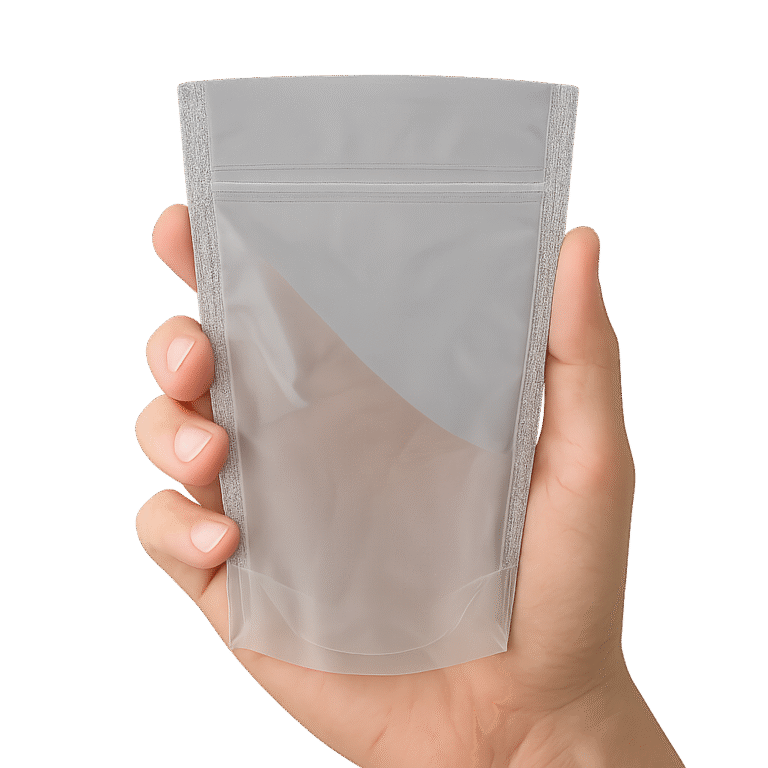
Glenroy’s pouch prototyping page includes notches, zippers, and other features among those considered in their prototypes. That illustrates discussion of a feature assembly, rather than proving a similar service is available from the group. Ask what example can be provided for your requirement and which questions it can answer. A flat drawing can help agree information positions, while opening assessment requires an example appropriate to that scope. Do not turn layout approval into approval of an opening experience without examining an object that can actually address it.
Identify changes that need a new review
Changes in size, closure, contents, or the upper arrangement should be visible in a revised brief. A hypothetical brand might enlarge its label and move an opening instruction closer to the edge. Review the after-opening drawing and the example used to discuss it again. Do not use a photograph of the previous opening result as evidence for the new arrangement without explaining the differences. Identify which decisions remain applicable and which questions need reopening. This avoids restarting every discussion while still considering changes that affect the purpose of the first opening.
Confirm the feature in the actual quotation
Submit contents, proposed dimensions, a notch-position sketch, opening direction, closure preference, filling sequence, and the condition customers will receive. State which requirements are essential and which remain adjustable. If the feature is unavailable in the option offered, ask for alternatives to be explained before approving the design. A photograph of another supplier’s notched pouch does not confirm group stock. Price, minimum order, samples, and timing need answers in the relevant quotation; this educational guide sets no figures or capabilities. Keep the proposed feature distinct from one confirmed for the actual product.
Use the catalogue to start the conversation
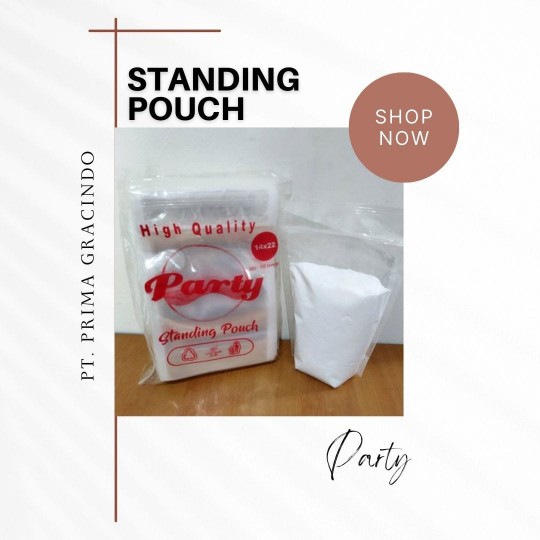
The Cave Mekar Group standing pouch page connects product enquiries to PT. Prima Gracindo. Use the group directory and contact route to discuss the arrangement needed; the Prima Gracindo profile and Bliplastik catalogue provide manufacturer and sales context. This guide announces no available notched variant, laser score, or new structure. Ask the team to confirm features on the actual option. If contents protection is central, discuss the relevant structure and evidence separately from the convenience of first opening.
Discussion checklist
| Review | Purpose |
|---|---|
| Before opening | Final seal, closure, contents and orientation |
| Opening | Starting point and intended removal direction |
| After opening | Remaining closure and access to contents |
| Confirmation | Feature availability on the actual option |
Frequently asked questions
Is a notch the same as a zipper?
No. A notch provides a starting point for opening, while a zipper serves the separate task of resealing.
Does a printed arrow create a tear path?
No. A printed mark only provides guidance; the physical feature and opening result require confirmation on the actual option.
Are all group pouches available with notches?
This is unconfirmed. Ask the team about available features and structures before approving a design.
Does a notch prove airtightness or easy opening for everyone?
No. Contents protection and ease of use require assessment appropriate to their respective requirements.
What belongs in a tear-notch brief?
Send notch-position drawings, opening direction, seal areas, closure, contents, filling sequence, and the condition users will receive.
Sources and scope
Polypouch pouch glossary; Arthritis Foundation Films & Pouches guide; Glenroy pouch prototyping. References checked 28 November 2026. Concepts support the discussion; workflows and hypothetical examples are editorial guidance, not group specifications, available features, or production approval.
Follow @cavemekargroup, @primagracindo, @bliplastik, @cavesumberberkat.