Updated 28 November 2026
What belongs in a transparent injection part brief?
Mark the areas that must allow a view through the material and distinguish them from decorative faces. Include drawings, reference examples, lighting context, and the intended assessment. The group team must confirm resin, process, and available capabilities before a quotation. Transparent alone specifies neither clarity, appearance tolerances, nor optical performance.
Start with what must be seen
A transparent injection part brief should explain what someone needs to see through the plastic, rather than simply asking for a clear result. Consider a hypothetical cover with small lettering behind it: reading that lettering is different from merely recognising that an item is inside. Describe the viewing task in plain language. Will the user check a pointer position, see the contents, or simply prefer an open appearance? This example is a way to express requirements, rather than a product announcement or a claim about Cave Mekar Group optical capabilities.
Separate different meanings of transparency
BYK’s explanation of transparency distinguishes transmitted light, a hazy appearance, and the sharpness of objects viewed through a material. Clarity is also related to the distance between the object and material. Clear therefore does not specify every viewing requirement. Ask the technical team to determine relevant parameters and assessment methods. This article selects no instrument, haze limit, or transmission value. A catalogue photograph is not a measurement report for the proposed component; these terms help make the discussion more precise.
Mark the viewing area on the drawing
Export or print a component view and shade the region that must be used for looking through. Distinguish that region from all surfaces visible to the user. In the cover example, a small window in front of the lettering may be the main viewing area, while the mounting edge serves another purpose. Include a legend so that shading is not mistaken for a requested material colour. Add another view if the area crosses a corner or curved face. A circle on an unexplained photograph leaves the recipient to guess which face matters.
Show the object behind the part
Provide an assembly drawing or example showing what sits behind the viewing area. For the hypothetical cover, include the pointer shape, actual lettering, and their positions relative to the cover. Looking at an empty part held in a hand answers a different question from reading an object in the assembly. If the mating item is still changing, explain that status early. The team can discuss settled requirements while identifying observations that cannot yet be approved. One photograph of a loose cover should not be treated as representing every viewing situation.
Explain where the user will look from
Sketch the intended line of sight during normal use. A customer might read the indicator from the front while the unit sits on a shelf, while an assembly worker observes it from the side. Describe both situations if both are required and distinguish their priorities. Avoid requesting perfect visibility from every direction without explaining its purpose. During design discussion, the team needs to understand whether a difficult viewing region affects the main function. A sketch showing eye position and assembly orientation can communicate more than several close photographs taken from unexplained angles.
Agree the lighting and background context
Bring examples of the conditions in which the product will be viewed: indoors, beside a window, or inside an assembly with particular lighting. This information describes user requirements rather than a standard inspection procedure. Show the background and comparison object used when discussing a concern or preference. If one team photographs over a white table while another judges over a dark table, record that difference before drawing conclusions. Ask the person responsible for assessment to establish agreed comparison conditions and use them when the next candidate is discussed.
Separate viewing faces from decorative faces
Protolabs’ injection surface guide discusses the relationship between mould surfaces and part appearance, and highlights gate and ejection considerations for clear or cosmetic parts. That reference is not a list of group capabilities. Mark viewing faces needing discussion about process marks separately from decorative areas with their own references. Do not transfer another supplier’s finish codes into promised production results. Design and production teams must discuss feature positions and acceptance on the actual design before the buyer treats all surfaces as having identical requirements.
Give each reference sample a specific purpose
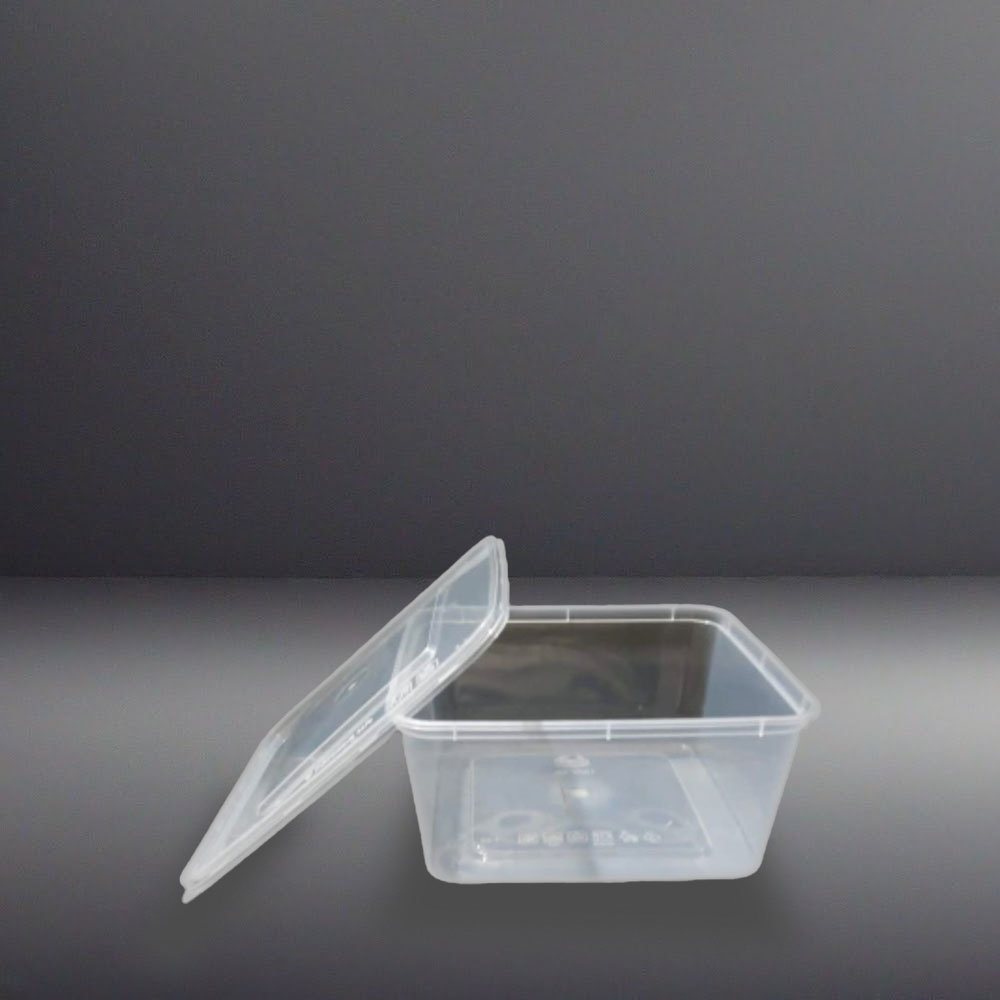
If a reference item is available, explain which aspect should be followed. A clear container might illustrate a wish to see the contents, without becoming a reference for the project’s cover geometry, resin, or thickness. Attach that explanation to the photograph or sample dispatch list so the recipient does not have to infer your intention. Separate a preferred example from an approved sample. If two people choose the same object for different reasons, settle that difference before requesting a final quotation. Approval of one object does not necessarily approve every property it has.
Use photographs to locate the question
Photographs help identify a face and explain a situation, especially when physical discussion is not yet possible. Provide one view of the complete assembly and one of the area under discussion, identifying the object being viewed. Avoid improving the appearance with filters when a photograph is used as comparison evidence. Retain the original image with its position and capture conditions. If the concern appears only from a particular direction, explain that direction instead of sending many unsequenced pictures. Quantitative assessment still requires a method chosen by the technical team; photographs do not replace it.
Describe use conditions beyond appearance
Clarity is not the only question when selecting a component. Explain whether the part will contact particular substances, be cleaned, encounter outdoor conditions, or belong to an assembly with functional demands. State the conditions actually known and separate them from future plans. This article recommends no resin and confirms no suitability for those uses. Its purpose is to place appearance decisions alongside the product requirements, so a visually attractive candidate is not assumed to satisfy use conditions that the responsible people have not yet discussed or assessed.
Distinguish a viewing demonstration from product approval
When reviewing a sample, write the question being answered on the approval record. A demonstration might show that a pointer is visible from the front in the example assembly. That does not settle dimensions, latch function, use durability, or results across every production item. If approval concerns only the location of the viewing area, make that scope explicit. Whoever follows up the quotation can then understand the decision already made without assuming that the entire product was accepted simply because someone signed a photograph of a transparent cover.
Review changes around the window
Changing the lettering behind a window, the label location, or the mating component position can change the viewing question even when the cover file has not been revised. In the hypothetical example, lettering is moved towards an edge to make room for a logo. Mark the new viewing requirement on the assembly drawing and request review of the affected area. Do not carry forward an old approval without considering the object now needing to be read. Connect the component drawing to its corresponding assembly so the supplier receives a consistent requirement for the next review.
Prepare a useful discussion package
Send the model or drawing, assembly views, viewing-area map, the object behind it, and the reason for each appearance requirement. Include the selected material or explain if selection is still open, alongside tooling status and the quantity you wish to discuss. There is no need to fill technical fields with guesses to make a form look complete. Open questions should remain visible, including who determines the assessment method and whether the reference represents final use. The team can confirm feasibility and additional information needed before preparing an actual quotation.
Use the appropriate group product route
Use the Cave Mekar Group injection page to discuss components, and the product directory when the requirement is actually a catalogue item. Contact the group team to confirm options that can be reviewed. PT. Cave Sumber Berkat provides manufacturing context, while Bliplastik offers a group sales catalogue route. This guide announces no lens production, optical resin, testing service, or quality value. Material, capabilities, price, and timing remain subject to discussion of the actual project.
Discussion checklist
| Review | Purpose |
|---|---|
| Viewing area | Object and direction that matter |
| Assembly | Position of the object behind the part |
| Appearance | Viewing and decorative faces kept distinct |
| Decision | Scope and open questions |
Frequently asked questions
Does transparent already specify optical performance?
No. Explain the object to be seen, viewing area, use conditions, and assessment method that needs agreement.
Can photographs measure haze or transmission?
No. Photographs help locate a question; measurement requires a method chosen by the technical team.
Do all faces need the same requirements?
Not necessarily. Distinguish viewing areas, decorative faces, and functional surfaces on the drawing for review.
Does a catalogue example prove lens-making capability?
No. Capabilities, material, tooling, and project optical requirements need confirmation from the team.
What should be submitted for a transparent part discussion?
Submit the model, assembly views, viewing-area map, object to be seen, use context, selected material if any, and tooling status.
Sources and scope
BYK transparency measurement; Protolabs injection surface finishes. References checked 28 November 2026. Concepts support the discussion; workflows and hypothetical examples are editorial guidance, not group specifications, available features, or production approval.
Follow @cavemekargroup, @primagracindo, @bliplastik, @cavesumberberkat.