Updated: 2 November 2026
What should a product and packaging measurement note include?
When recording product and packaging dimensions, identify the object, empty or filled condition, orientation, unit, and measurement endpoints. Keep the item, outer container, usable space, and shipping package separate. Annotated photographs explain the intended meaning, while physical fit still needs a sample and requirements agreed with the relevant team.
Start with the object rather than three numbers
Three numbers without an object name invite different interpretations. A buyer may be describing the item to be packed while another team reads them as the outer container size. Name the object on every line: item, empty container, filled container, or complete shipping package. Do not turn one object’s measurement into another object’s specification because their shapes look similar. An initial measurement records a need; it does not establish that a suitable product is available or that the selected packaging will fit.
Separate four layers of information
Keep four groups available for reference: the item, its container, added protection, and the shipping package. The item has its own shape. A container adds walls, a lid, or closure features. Protection can change the space needed, while a shipping box creates a further external boundary. Do not simply add dimensions and call the result an order specification. Shape, arrangement, loading access, and closure need to be examined with a complete example. This grouping supports cross-product discussion while leaving each supplier responsible for its own technical specifications.
Mark the front and base before naming the height
Mark the front and base on a photograph or sketch so that height, width, and depth refer to consistent directions. State whether the example is upright, lying flat, or placed in a particular use position. Do not change the orientation halfway through a table without explaining it. Where two positions matter, create two separately identified rows and photographs. This makes their relationship understandable. Agreeing on orientation is different from setting manufacturing tolerances, inspection methods, or goods acceptance criteria; those require their own technical discussion.
How does the GS1 standard help?
The GS1 Package and Product Measurement Standard provides a framework for communicating dimensions at different packaging levels. Its treatment depends on packaging form and condition, so one measurement position does not apply to every pack. Consult it when a discussion specifically requires GS1 data. This worksheet merely helps identify objects and directions; it is not a replacement for the complete standard, evidence of compliance, or a Cave Mekar Group manufacturing specification. If formal data is requested, record the version and section actually used and confirm the interpretation with the responsible team.
Distinguish external dimensions from usable space
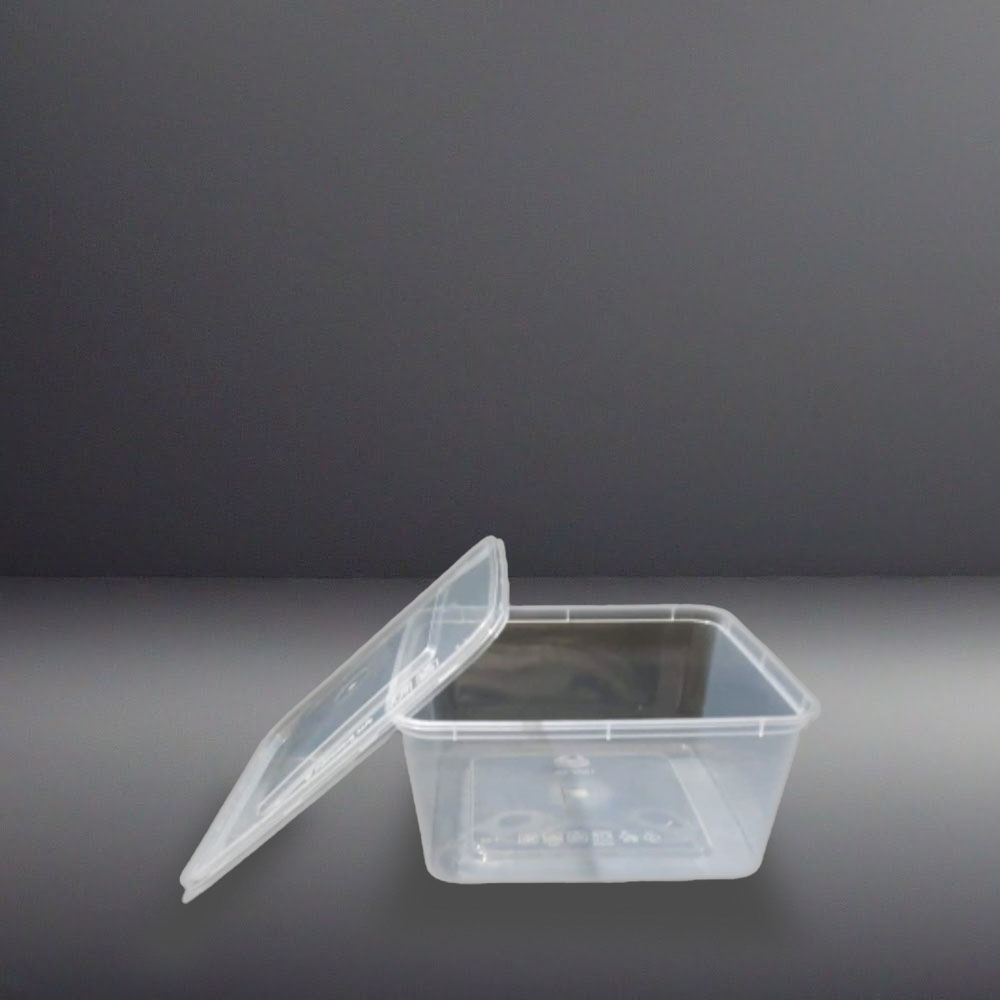
A container’s external size does not automatically describe the space available for its contents. Walls, internal shape, the lid, and projections can affect fit. Keep external dimensions and required usable space in different columns, with the relevant reference points. Mark usable space as unknown when it has not been examined. Avoid calculating capacity from three outside measurements and presenting it as a guaranteed usable capacity. The shape of the contents and the loading method also matter. A sample can resolve questions that a photograph or a catalogue dimension alone cannot answer.
Record flexible packaging conditions clearly
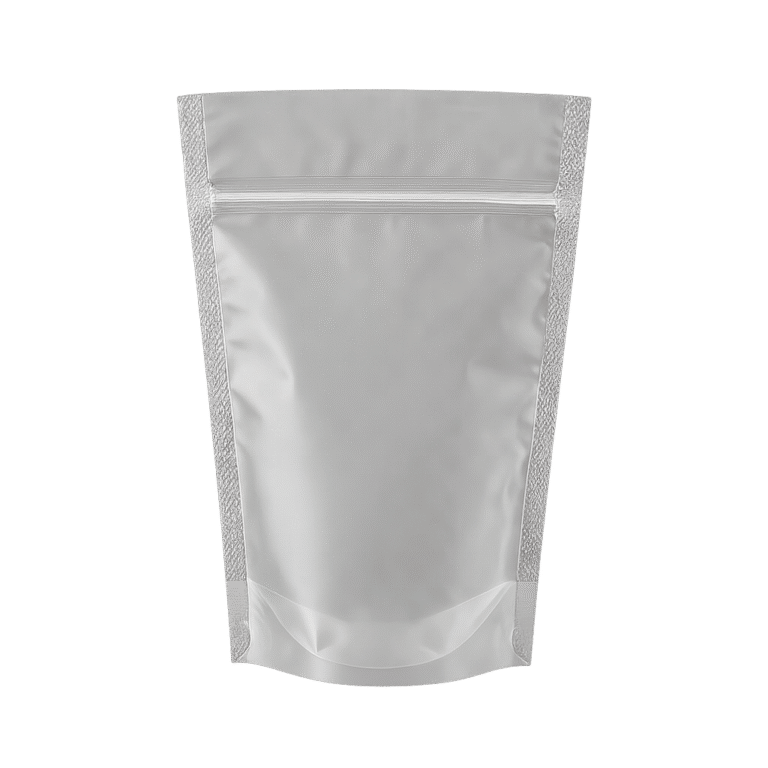
A bag or pouch in its empty state differs from the same package after filling. Do not compare a flat width with its apparent width while standing and immediately decide that one is wrong. Identify the condition and orientation in each record. Mark any fold, seal, or closure feature being discussed. The purpose is a shared reference for communication. This article sets no bag tolerance measurement method, conversion formula, or mandatory extra allowance. Those details must be agreed for the actual product, contents, and application rather than borrowed from an unrelated example.
Worked example: a lidded container and a pouch
Consider two separate examples: a lidded container for small items and a pouch for a dry product. A photograph of the container without its lid does not describe the complete external boundary after closing. An empty pouch does not show its filled form. Record these as different states without inventing numerical examples that look like product specifications. The team can then choose which state to assess. Similar outside dimensions do not make a container and pouch interchangeable. Closure function, contents, and handling still need separate evaluation for their intended use.
Use a traceable measurement worksheet
Include a sample code, recording date, unit, object, condition, orientation, and source of the value. Separate information from an engineering drawing, your own sample measurement, and a catalogue. Do not silently substitute one source for another. If a revision is made, keep the relationship between old and new records. List open questions such as whether the dimension includes the lid or whether the example was measured filled. An explicit question is more useful than a guessed entry. This worksheet coordinates discussion; it is not an inspection report or production approval.
Annotated photographs clarify measurement boundaries
Take a view of the complete object and additional views of the features under discussion. Add arrows on a copy to show measurement directions and endpoints, while retaining the original photograph. Do not derive dimensions from camera perspective or assume that a ruler on another plane proves an accurate measurement. Ask the technical team for an appropriate method where formal measurement is required. Keep photographic descriptions separate from measured results. Identify hidden areas so readers do not assume that the entire shape has been documented or all internal space has been checked.
Route questions to the appropriate product owner
Use the Cave Mekar Group product directory to identify the relevant product team before requesting confirmation. A pouch discussion can start from the standing pouch page, while a container discussion can start from the thinwall page. The Bliplastik catalogue provides context on group product choices. Catalogue links do not guarantee particular dimensions, materials, or stock availability. Send the same measurement note to the relevant parties so the question stays consistent as it is passed along. Price, minimum quantity, schedule, and document requirements belong in the actual discussion and quotation.
Keep decisions connected to the sample
After discussion, record which condition has been accepted as the reference and which questions remain open. Connect the decision to the sample code and document revision. If the lid, contents, or arrangement changes, ask whether the dimension record needs updating. Agreement about external size does not also approve strength, protective performance, or material suitability. Cave Mekar Group comprises five companies and seven plants according to owner-confirmed facts. Product selection and the scope of any evaluation still depend on the actual requirement and the team assigned to address it.
| Object / condition | Reference recorded | Open question |
|---|---|---|
| Item | Object code and orientation | Which part is being discussed? |
| Container | Empty or filled, lid state | External size or usable space? |
| Shipping package | Complete arrangement | Which level of packaging? |
Primary reference: GS1 Package and Product Measurement Standard, release 3.3 (August 2026).
Product context: Standing pouch; Thinwall; Group product directory; Bliplastik catalogue.
Follow us on Instagram: @cavemekargroup; @bliplastik.
Give each measurement an object code in the photograph
Suppose a team receives a container photograph with three numbers and no markers. Name object A as the empty container and object B as the complete package before forwarding it. For A, state whether the lid was fitted during measurement. For B, identify any additional protection included. Do not copy unexplained numbers into an order specification. Ask the sender to mark the intended endpoints, then retain that response beside the original note so a change in meaning remains traceable. If the photograph is rotated, retain the object markers so height and width are not silently exchanged. When a sample arrives, match the photographed object to the physical item before discussing fit. This is a communication example rather than a certification procedure or tolerance specification. The product team still determines what further information and evaluation the actual project requires.
Frequently Asked Questions
Are external dimensions the same as usable space?
No. Internal shape, walls, and closures need separate examination.
Can empty and filled pouch measurements share one description?
State the condition because the package shape can differ.
Does this guide establish GS1 compliance?
No. Formal data must follow the version and section applicable to the object.
Can dimensions be calculated from camera perspective?
Do not replace an agreed measurement method with photographic perspective.
Does dimensional fit prove protective performance?
No. Dimensional fit and protective performance are separate questions.