Updated: 2 November 2026
What should be recorded when packaging arrives damaged?
For damaged packaging on arrival, retain the package identity, observation time, exterior photographs, internal arrangement, and visible changes. Distinguish packaging observations from the condition of the item. Keep examples and packaging where safe, then contact the relevant party under the applicable procedure. Documentation supports review; it does not establish a cause or approval for replacement.
Separate observations from conclusions
A dented, torn, or open package provides information about a visible condition. It does not establish when the change happened or who caused it. Describe observations precisely: a compressed corner, a torn outer side, or a displaced lid. Avoid immediately labelling a material as defective or blaming a shipment. The initial record should help all parties see the same condition. Cause, design suitability, responsibility, and next steps require a fuller set of information and the procedures of the parties involved, rather than a conclusion drawn from one photograph.
Identify the package before information becomes separated
Connect photographs to the relevant package, order, or sample reference. Record the observation date and time and the number of packages visibly affected. Where several cartons are involved, assign working codes that distinguish them. Do not combine photographs from different packages as though they show one example. Identity supports internal traceability, but addresses, phone numbers, and commercial documents do not belong in public posts. Send documents through the agreed channel to parties who actually need them for review, keeping the public description focused on the packaging question.
Photograph the exterior before the arrangement changes
Capture an overall view and closer views of the features that need explanation. Include other sides where useful so that a reviewer can understand where the observation sits. A tightly cropped image without package context can be difficult to interpret. Keep original photographs before adding arrows or captions to copies. If the condition changed before photographs were taken, say so. Do not reconstruct damage to create a more convincing picture. An undocumented state should remain a stated limitation in the record, rather than being presented as an observed fact.
Show the relationship between the item and its protection
Where opening is safe and consistent with the applicable procedure, photograph the arrangement while the contents are still inside. Show the item, protection, supports, and visible spaces. Keep photographs of the item’s condition separate from those of packaging materials. Do not conclude from initial images that there was insufficient protection or that a particular material must solve the problem. The original arrangement helps identify questions for review. If contents have already been moved, label later images as post-opening documentation so reviewers do not confuse that arrangement with the initial one.
Use carrier guidance within its proper scope
UPS photo documentation guidance asks for the item and packaging inside the box, the shipping label, and the package exterior. This illustrates the value of photographic context. Its rules are not automatically the procedure for every shipment, supplier, or group order. Do not transfer another country’s deadlines, service conditions, or compensation decisions to your transaction. Contact the actual sender, supplier, or carrier for the procedure that applies to that shipment, including the documents and time limits they require. This article does not file a claim or determine anyone’s contractual rights.
Build an observation table that keeps objects separate
Use columns for package code, object, location, observation, related photograph, and open question. One row might record a compressed outer carton corner, while another describes a visible mark on the item. Do not combine those into a claim that the carton caused the mark. Include the number actually examined and, where known, the number not yet examined. An observed quantity does not automatically represent the entire order. Separate records help the relevant parties request further information without having to reconstruct the conversation from mixed descriptions and unrelated images.
Retain packaging and examples where safe
USPS guidance also asks users to retain original packaging and contents while a claim is under review. As a documentation principle, physical examples can provide context that photographs miss. Follow the relevant party’s instructions for storing and examining your own shipment. Avoid using items awaiting examination or disposing of packaging before receiving guidance. If hazardous contents, a spill, or another unsafe condition is involved, prioritize the applicable safety procedure and competent personnel. This article provides no hazardous-material handling method and makes no judgment about whether damaged goods are safe for use.
Worked example: a protected item inside a box
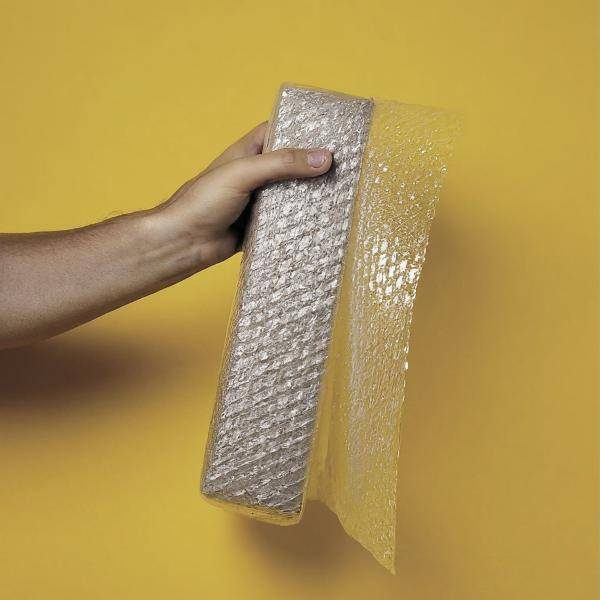
Imagine a household item shipped in a box with added protection. The receiver notices a deformed corner. Documentation starts with package identity and exterior views, then records the item and protection during opening under the applicable procedure. Detailed item photographs are kept separate. If a side can no longer be seen in its initial condition, record that limitation. This example does not establish that bubble wrap, styrofoam, or any particular material failed. Selecting protection and evaluating a revised package require the item’s requirements and consideration of the complete packaging system.
Send questions that support a useful response
When contacting the relevant party, summarize the observation, its timing, package identity, available photographs, and unknown information. Ask whether additional documents or examples are required. Do not describe an entire order as defective when only one package has been examined. Separate review of the received condition from development of a new packaging design. These can involve different people and decisions. Keep replies linked to the package code so later instructions are not confused with another shipment or with a packaging revision that has not actually been introduced.
Route protection development to the product team
If the discussion moves to protective options, the Cave Mekar Group bubble wrap and styrofoam pages provide category context. The Bliplastik catalogue helps identify group product choices; it does not prove suitability for the item being evaluated. Bring an example of the item, the outer package, its arrangement, and handling requirements to the relevant team. Do not change materials solely on the basis of a damage photograph. Price, minimum quantity, specifications, protective performance, and schedule need confirmation in the actual discussion and are not promised by this documentation guide.
Close the record with decisions and limitations
Keep the follow-up date, the party giving instructions, the decision actually received, and any unresolved questions. Record later changes such as returning an example or opening the package further. Complete documentation improves traceability, but does not guarantee claim acceptance, replacement, or a determination of cause. Cave Mekar Group comprises five companies and seven plants according to owner-confirmed facts. Use its product directory to route packaging development questions, while a particular shipment remains subject to the parties, documents, and procedures applicable to that transaction. Retain those distinctions in the final record.
| Object | Observation | Next question |
|---|---|---|
| Outer carton | Describe visible condition | Which photographs show context? |
| Protection | Record arrangement | Was it moved before photography? |
| Item | Record visible condition separately | What needs examination? |
USPS: retaining packaging and contents for inspection. US domestic service reference; not the terms of your transaction.
Primary reference: UPS: File a Claim, photo documentation guidance.
Product context: Bubble wrap; Styrofoam; Group product directory; Bliplastik catalogue.
Follow us on Instagram: @cavemekargroup; @bliplastik.
Sequence photographs so the reader understands the observation
Consider a hypothetical box received with one compressed corner. The first photograph shows the entire box as received. The next shows the corner without losing its position in the wider package, while shipment identity is recorded in the appropriate internal file. If opening is safe, record the sequence and the relationship between the item and cushioning. Do not rearrange protective materials to make a clearer photograph without noting that change. Number the photographs and describe what is visible rather than guessing a cause. If one side was not documented, state that gap honestly. This sequence helps the relevant parties understand the evidence available; a compressed corner alone does not establish damage to the contents or responsibility for it. Inspection results and further action remain subject to the actual conditions and agreements.
Frequently Asked Questions
Does damaged packaging prove material failure?
No. Observations need review before a cause can be established.
Which photographs help a review?
Exterior, internal arrangement, detail, and package identity views help explain context.
Do UPS deadlines apply to every shipment?
No. Ask the party handling your shipment for its applicable procedure and deadlines.
Should label photographs be shared publicly?
Restrict address and contact data; use the agreed channel for complete documents.
Does documentation guarantee replacement?
No. Decisions depend on review and the applicable transaction conditions.