Updated: 24 October 2026
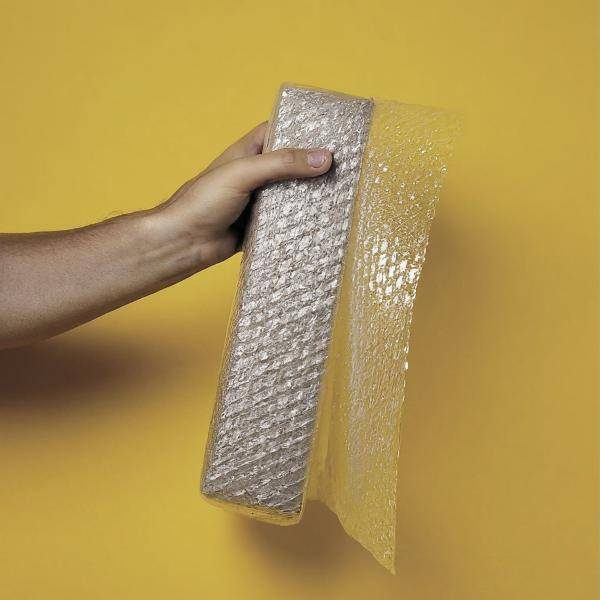
When discussing bubble wrap for furniture, prepare the item shape, surface information supplied by the furniture manufacturer, corners, and the intended handling and wrapping sequence. Include photos and examples of other protective materials to be used with it. Test a sample under representative conditions and record the outcome. Bubble wrap is not automatically suitable for every surface and does not guarantee damage-free delivery.
Start with a furniture profile, not a material name alone
“Furniture” may mean a table, chair, cabinet, rack, or components with very different shapes. Create a profile of the item to be handled: photos from relevant sides, measured dimensions, protruding parts, and areas with existing coverings. Photos support a discussion but do not replace inspection of the actual item.
Surface information should come from the furniture manufacturer or the party responsible for the item. Do not assume that wood finishes, paint, metal, glass, fabric, or composite materials respond to contact and handling in the same way. Include any available care instructions or manufacturer limits in the evaluation.
Map surfaces, corners, and contact points
Separate broad surfaces, corners, legs, handles, glass panels, and areas that may rub against other parts. This does not claim one part is always more fragile; it gives context for testing a layer sequence and handling method.
| Record | Example information | Discussion purpose |
|---|---|---|
| Item profile | Photos, actual dimensions, shape, separate parts | Creates shared understanding of the wrapped item |
| Surface | Manufacturer-stated type and available instructions | Avoids assuming contact suitability |
| Corners or edges | Location, shape, protruding points | Builds a testable protection sequence |
| Other protection | Separator layers, cardboard, or supports already planned | Evaluates the wrapping system as a combination |
| Handling | How the item is lifted, moved, stacked, and unwrapped | Includes real conditions in the sample evaluation |
Set out a traceable wrapping sequence
Record the wrapping sequence so a sample can be repeated and compared. Note which layer first touches the item, where added protection is used, how joins are made, and how the item is moved after wrapping. This is not a universal recipe: furniture surfaces, shapes, and handling can differ.
For example, a hypothetical table may have a top surface, several corners, and separate legs. Use an observation sheet that distinguishes these groups, includes before-and-after photos, and records how the item is moved. It is a recording method, not a guarantee that a particular configuration prevents damage.
Assess the sample with handling conditions
Do not assess a sample only while it is stationary. Include representative lifting, moving, stacking, and unwrapping. Record observations after each step, including areas needing further questions. Where a packaging system uses several materials, state the planned role of each layer without treating a single sample outcome as proof for all items.
An internal trial can inform the next question; it is not proof that packaging is risk-free or meets a particular standard. Claims about drop resistance, abrasion, or prevention of damage need suitable evidence and evaluation methods for the actual circumstances.
Compare outcomes using the same record
When more than one sample is considered, use the same photos, camera angles, step sequence, and handling conditions where practical. Record deliberate changes, such as an added corner layer or a changed restraint method. The team then need not assume a difference in appearance was caused by bubble wrap alone.
Also record questions that a simple inspection cannot answer, such as a need for further testing or direction from the item manufacturer. Stating the limit of current knowledge is part of a sound evaluation; no single sample automatically proves suitability for every furniture type or every delivery journey.
Use product pages as context, not a specification promise
For product discussion context, see Cave Mekar’s bubble wrap page and product directory. The related Bliplastik Tulip Bubble Wrap page can also start a discussion. These pages do not replace confirmation of variant, availability, size, price, or suitability for a particular furniture item.
Information sheet before discussing a sample
- Photos and actual furniture dimensions from relevant sides.
- Surface information and available instructions from the item manufacturer.
- Corners, edges, loose components, or contact points needing attention.
- Other protective materials used with bubble wrap.
- The wrapping sequence and joining method to be tested.
- How the item is lifted, moved, stacked, and opened.
- Who evaluates the sample and which outcome notes are required.
These records help stakeholders discuss a relevant sample without reducing the need to one material claim. Thickness, size, minimum order, price, stock, surface suitability, and delivery outcomes must be confirmed for the actual product and conditions.
Frequently asked questions
What information should be prepared for furniture bubble wrap?
Prepare photos, actual shape and dimensions, manufacturer-supplied surface information, corners or contact points, other protection, and the intended handling and wrapping plan.
Why should the surface type be recorded?
Different surfaces must not be assumed to respond to contact in the same way. Information from the item manufacturer helps identify what should be evaluated.
Does bubble wrap alone guarantee safe furniture delivery?
No. Bubble wrap is not automatically suitable for every surface and does not guarantee damage-free delivery. The wrapping system and handling conditions need evaluation for actual use.
How is a wrapping sequence recorded?
Write down the layers touching the item, added protection at particular areas, joining method, and how the item is moved after wrapping.
What should be checked when evaluating a sample?
Evaluate it under representative lifting, moving, stacking, and unwrapping conditions, then record observations and unresolved questions.