Updated: 5 November 2026
What belongs on separate resin and masterbatch purchase lines?
Separate the main resin requirement from any masterbatch or additive being discussed. Record the known material identity, finished product, process, quantity requirement, and the problem or target to be evaluated. Mark information awaiting confirmation. Send the brief to the relevant material team without prescribing a mixing dosage or treating all plastic pellets as interchangeable.
Start with the finished product, not a pellet photograph
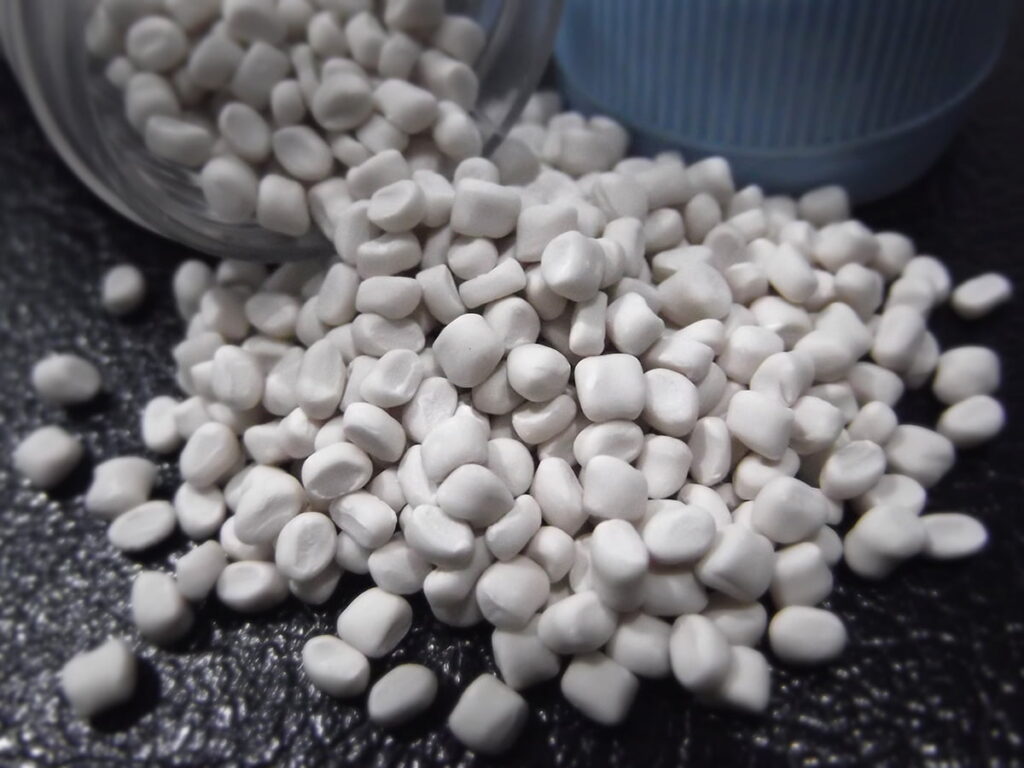
A resin and masterbatch purchasing brief helps a buying team explain two different material requirements within one project. At group level, we direct questions to the appropriate team; technical material discussions still need input from the supplier and user. Start with the finished product, such as film or an injection component, without treating an application example as material approval. Product photographs, drawings of important features, and an explanation of function are more useful than a short request for pellets like these. Do not identify a resin simply from pellet colour in a photograph.
Create two clearly identified request lines
Separate the base resin line from the masterbatch or additive line on the requirements sheet. Give them different internal references so quotations, samples, and follow-up questions remain distinguishable. If the material name is unknown, write awaiting confirmation and attach available documents. Do not combine everything into one item called plastic material without an explanation. This administrative separation does not establish a production formulation. Its purpose is to help the supplier understand whether you want resin, an additional material, or assistance evaluating both before preparing relevant options for discussion with your team.
Copy identity from the correct documents
Record the material name, product or grade code as shown, previous supplier where sharing is permitted, and document date. Distinguish packaging-label information from an operator assumption. If a data sheet is available, attach the version corresponding to the sample; do not combine values from two products because their names look similar. For unidentified material, retain a sample with its receipt reference and list the questions needing answers. This guide does not suggest that a simple informal test replaces material identification or the technical approvals required for your actual application and operating conditions.
Describe the process actually being considered
State whether the requirement relates to film production, injection, or another process actually used. Include relevant machine information that can be shared, then ask the technical team which additional details are needed. Do not copy settings from another machine as a recipe. If the project is still under development, say so, ensuring that a sample quotation is not mistaken for mass-production approval. Different processes, product geometries, and appearance requirements can raise different questions even when a buyer uses the same broad material description in an initial message to a potential supplier.
Separate appearance targets from process observations
Describe the result to be evaluated using observational language. For example, a team may want to compare sample colour with an approved reference or discuss a finding on trial film. Include photographs, sample identity, and observation conditions. Avoid asserting that a particular masterbatch will solve a problem before the cause has been discussed. Record colour needs, product characteristics, and processing difficulties in separate fields. This gives the supplier an actionable account rather than one mixed statement. Material decisions and process changes still require evaluation by the parties responsible for the actual project.
Ask about compatibility without prescribing dosage
For masterbatch or additives, ask which information is required to discuss suitability with the resin and application. If carrier identity or a particular constituent matters, request supplier information and retain its source. Pellet form does not prove that all materials can be mixed. This article provides no dosage percentage, formulation, or performance guarantee. A value used in a previous project does not automatically become an instruction for a new one. Distinguish an initial information request from a technical recommendation confirmed for a particular material combination and production process.
Record quantity and units for each material
Enter the quantity requirement separately for every material line, with units and period. Distinguish samples being requested for discussion, estimated recurring requirements, and approved order quantities. Mark estimates and identify who prepared them. Do not convert a finished-product production target into a material requirement through an undisclosed calculation. If conversion is needed, explain the assumptions and seek confirmation from the relevant team. Price, minimum order, packaging options, availability, and delivery timing must be confirmed in the actual quotation rather than assumed from an editorial example or a previous conversation about a different product.
An illustrative film-development brief
Hypothetical example: a business prepares a film trial for an internal application. Line A identifies the resin shown on the sample label. Line B requests a masterbatch discussion, with an appearance objective described through a reference. The team attaches film photographs, sample codes, available process information, and open questions. It has not selected a dosage or declared the two materials compatible. The brief helps the supplier separate resin documents from the discussion of additional materials. This example is neither a company formulation nor a particular product recommendation or evidence of a completed trial.
An illustrative injection-component brief
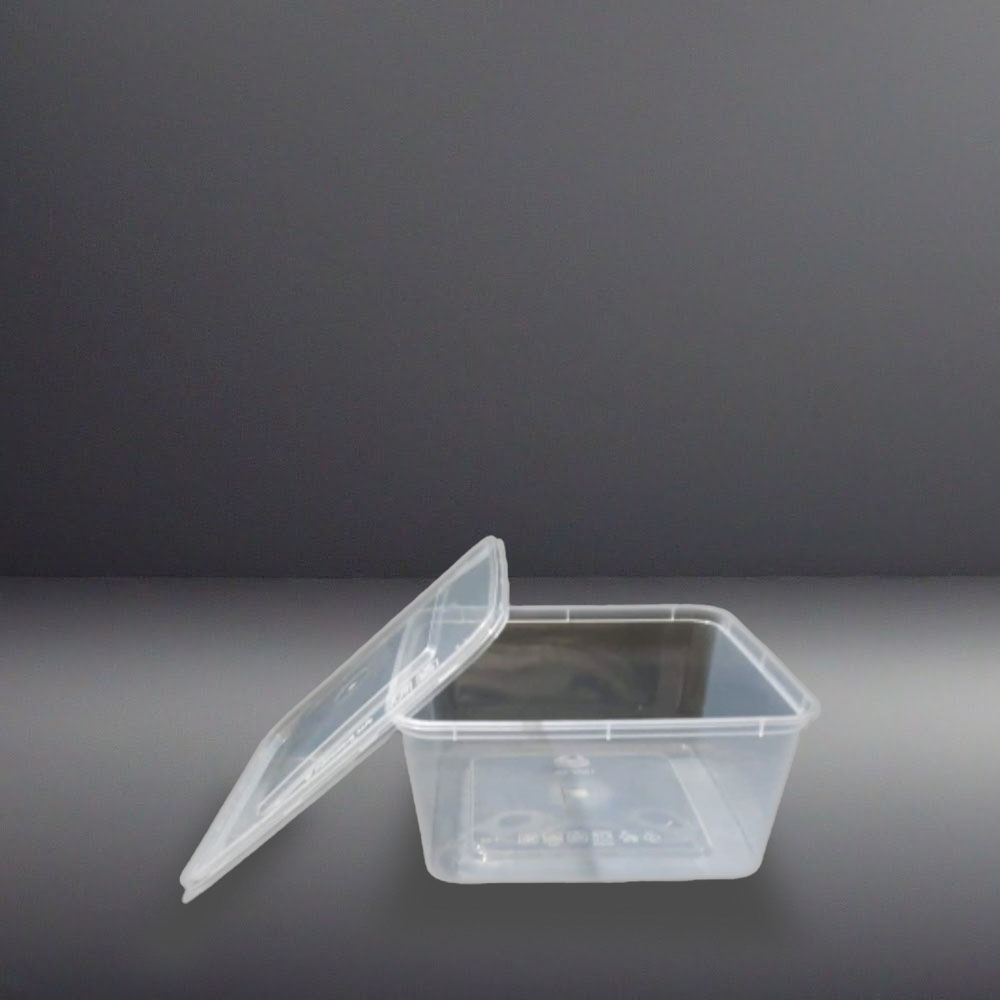
For an injection component, begin with a drawing or sample of the finished part and its intended function. Record the known material and information still missing. If colour is required, separate the colour reference from the base-material decision. Explain whether the sample is only for discussion or is already an approved reference. Do not promise material suitability from a component photograph. Further information may be necessary for the product use, but the relevant team must determine that requirement. No temperature limit, certification, or food-contact claim is assumed in this discussion.
Control revisions and sample approvals
Give the brief a revision number and explain changes since the previous version. When the resin, masterbatch, or product target changes, identify which items need reassessment. Retain discussion results alongside sample codes so approval does not exist only as a short message without context. A sample-approved statement should explain who approved it, for which requirement, and against which documents. Commercial and technical approval may involve different people. This administrative guidance supports purchasing traceability but does not replace the quality and safety procedures applicable at your own site or in the intended product market.
Direct questions to the material expertise owner
Use the group category pages to locate the relevant product discussion, then take resin and additive requirements to the PT. Cave Sumber Berkat team. Cave Mekar Group helps readers navigate categories and cross-company requirements; it does not publish a universal formulation for every application. Include the latest brief, material documents, sample references, and open questions when contacting the team. Remove confidential information that may not be shared. Confirm product options, price, quantities, and timing against actual needs; a catalogue page is not proof of current stock or approval of a particular project.
| Part | Brief information |
|---|---|
| Main resin | Identity, documents, application, quantity |
| Masterbatch or additive | Identity, discussion objective, suitability questions |
| Sample | Reference, status, revision, reviewer |
Category references and discussion: Group calcium masterbatch category; Group product directory; CSB resin discussion; CSB additive category.
Frequently Asked Questions
Should resin and masterbatch be one purchasing item?
Separate them so identity, quantities, and technical questions remain traceable.
Is a pellet photograph enough to identify material?
No. Use confirmed documents and identity, and mark information that remains unknown.
Does this brief prescribe a mixing dosage?
No. Dosage and combination suitability need discussion with the technical team for the actual application.
What if the grade is unknown?
Mark it awaiting confirmation, retain a referenced sample, and ask the supplier.
Where should resin and additive questions go?
Use group categories for navigation, then discuss material expertise with PT. Cave Sumber Berkat.
Follow the group on Instagram: @cavemekargroup.