Updated: 3 November 2026
What should you compare when considering raffia twine and rope?
Compare the form, supplier-declared material, dimensions, purchasing unit, and intended use. Bring an example of the object involved and explain whether the task is marking or tying. Diameter and appearance alone do not establish load capability. Higher-risk needs require competent assessment and evidence of suitability that can be examined rather than inferred from a catalogue photograph.
Start with the task rather than the familiar name
A rope enquiry often begins with a name already used at work. Add a task description so that the familiar name does not hide the actual need. Is it for identifying groups of goods, organising empty packaging, or tying something that needs further assessment? Describe the object, handling method, and surroundings. This guide compares categories and prepares procurement questions. It does not select products for lifting, towing, supporting people, or safety applications. Such needs require competent people and product evidence appropriate to the actual task, rather than a general catalogue comparison.
Observe the actual forms being compared
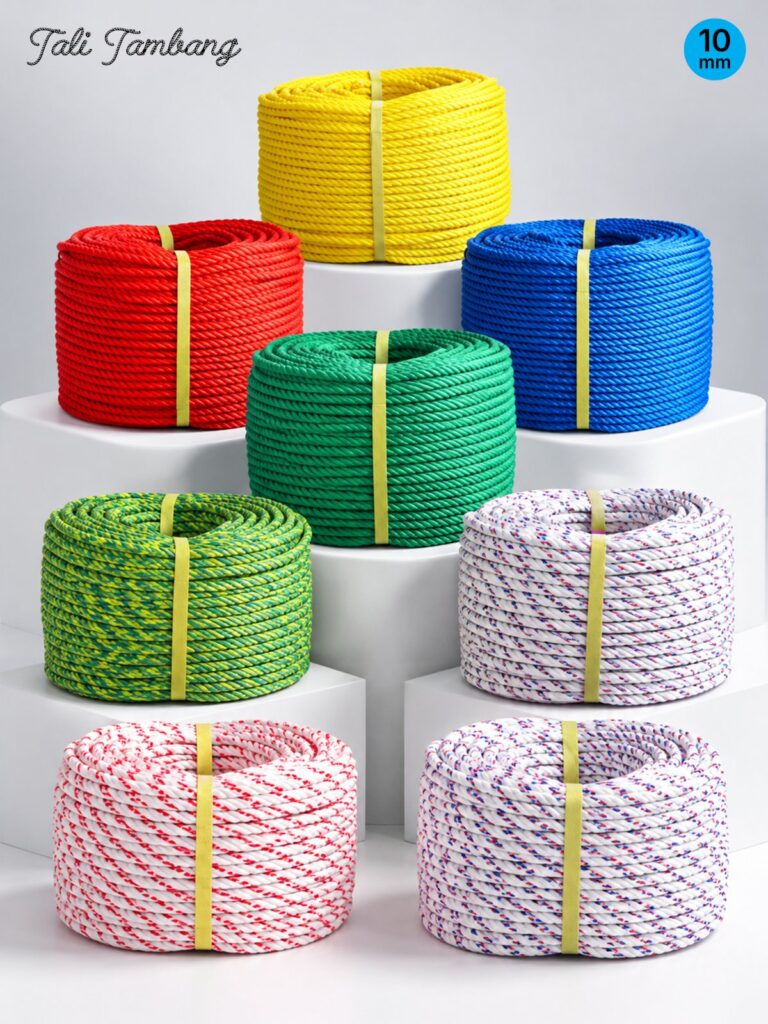
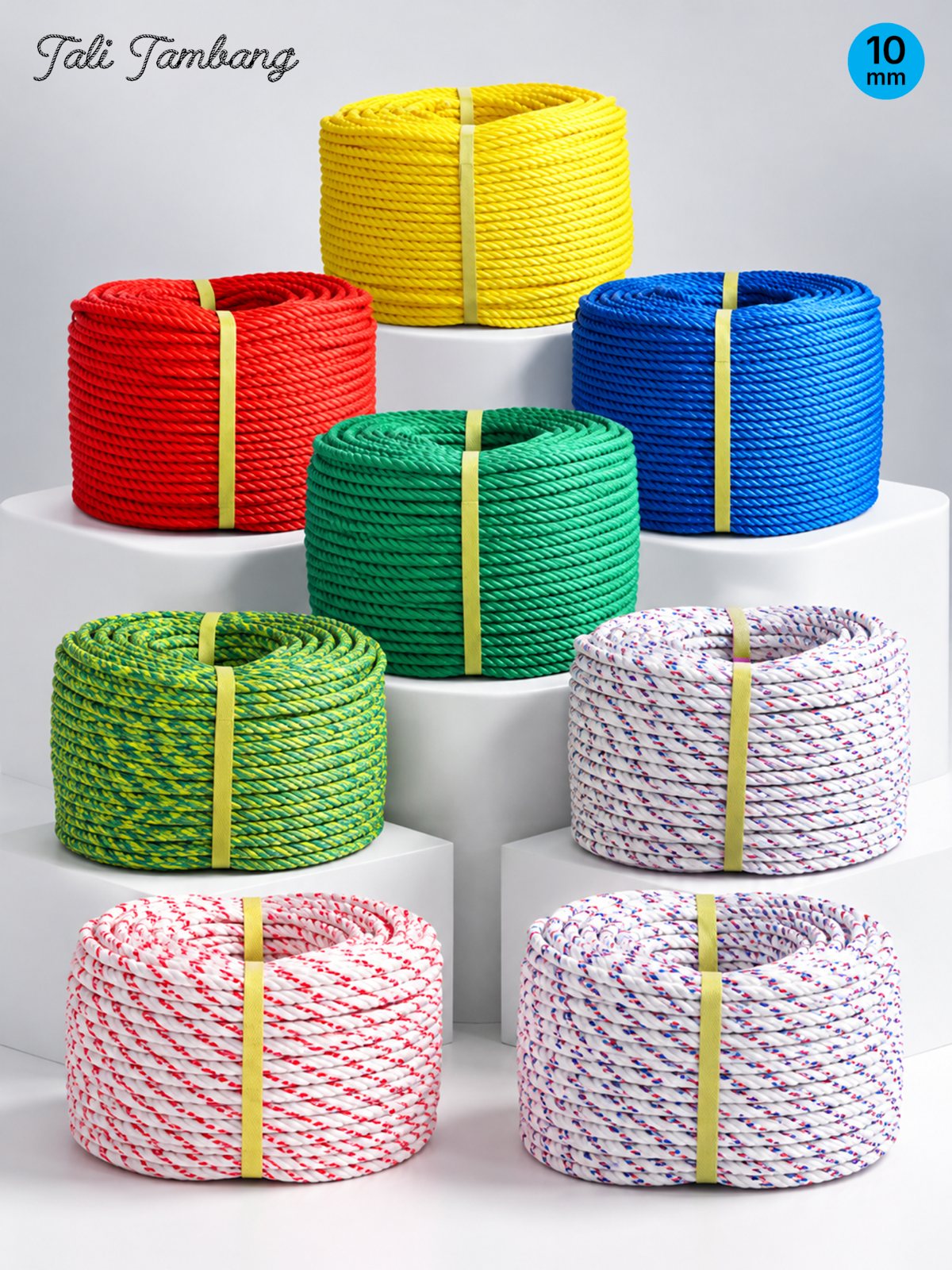
Place two examples separately and give each a readable code. Record visible features, such as a ribbon-like form or a rope with an observable strand arrangement, without guessing the manufacturing process. A photograph of the whole package and an opened portion helps identify the item. Do not assume every raffia product has an identical form or every rope shares one construction. This first observation helps frame supplier questions. Final selection needs actual product information and evaluation against the task, rather than a claim that one category is always better for every purpose.
Separate material identity from appearance
Record a material only when documentation or the supplier's description identifies it for that example. Bright colour, a glossy surface, or flexibility to the touch is insufficient to establish polymer identity. Do not copy a material name from one product onto a similar-looking example. Where the supplier offers several options, ask which differences matter for the intended task. A material statement does not automatically describe all product performance. This guide does not assign weather resistance, strength, or service life because those questions require evidence and clearly stated conditions and limits of use.
Distinguish product dimensions from ordering units
Ask whether the offer is expressed by weight, roll, ball, length, or another unit. Use the supplier's terminology with a confirmed definition, because a package name alone does not explain its contents. Keep rope dimensions and transaction units in separate columns. Do not compare prices before the quantity basis is clear. Leave an absent length or weight blank and request clarification. This guide provides no conversion between rope types. A ratio from one example should not be used to convert all requirements into another unit without the appropriate product data.
Colour can support working identification
If colour distinguishes groups of goods, explain the identification system you need. Keep an appearance preference separate from performance requirements. Colour does not establish load capability, material identity, or suitability for safety use. Refer to an agreed colour example instead of relying solely on a screen display. Resolve conflicting colour meanings between teams before ordering. For example, a colour used to distinguish goods belonging to two departments is your business's internal convention. It is not a universal code that all suppliers or delivery recipients can be assumed to understand or apply.
Consider the relationship with the object
Describe the surface, corners, parts that change shape, and how the tie contacts the object. This helps the team identify questions for examination; it does not establish that a particular rope leaves no marks. Do not tighten a sample to demonstrate performance through an unassessed method. Even for ordinary tasks, an initial-position photograph and handling description are more useful than simply requesting strong rope. If surface appearance matters, bring a representative example to the relevant team and agree how observations will be recorded. Suitability concerns the relationship between the product and the task.
A worked example for identifying goods
Imagine a shop wanting to distinguish empty packaging assigned to two storage areas. The team needs a visible marker and a retrieval arrangement that does not confuse staff. It can compare form, colour, and ordering units while explaining that the goods will not be lifted using the tie. The procurement question becomes narrower than a request for all-purpose rope. This example does not claim that a particular product is suitable or available. If the task changes to restraining goods during movement, describe the change and review the requirement rather than reusing a marking decision as a new approval.
Compare without inventing scores
Use a table with rows for form, declared material, dimensions, ordering unit, purpose, and open questions. Enter only information traceable to the example or a document. Avoid scoring strength, durability, or safety from how a sample feels. An unknown field usefully identifies a supplier question; it is not a gap to fill with a guess. Keep unit price separate from the total requirement and record the quotation date where available. This approach compares real options and their information limits rather than creating a general ranking of raffia twine and rope.
Use the catalogue to route the discussion
The Cave Mekar Group product directory includes a raffia-twine and rope category. Use it as a starting point to describe the need, then request the relevant product details. Catalogue figures should be connected to the actual variant and quotation rather than treated as applying to every rope form. You do not need to invent a specification before asking. Send an example, the planning unit, an estimated quantity, and the destination city. The team can route the enquiry appropriately without turning an intended use into a claim of performance that has not been established.
Do not extend an ordinary decision to higher-risk use
A decision for marking or organising goods does not approve lifting, vehicle towing, supporting people, or another higher-risk task. Do not look for a performance limit through informal experimentation. State the higher-risk requirement at the start and seek an appropriate assessment from competent people. Diameter and appearance alone cannot support that decision. Where the initial task remains unclear, pause selection until the description is complete. This procurement guide deliberately supplies no load figures or knot instructions, since neither can be separated from the product, system, and actual conditions of use.
Keep the example with changes to the requirement
After discussion, retain the sample identity, supplier description, quotation unit, and decisions actually issued. Record which use was discussed and which remains unevaluated. If the material, form, object, or handling changes, request a review before substituting the product. Do not retain only a colour photograph without an item identity. A complete record helps later purchasing refer to the same choice, but it does not guarantee stock, price, or timing. Commercial details and suitability still require confirmation for the actual requirement with the responsible supplier team.
| Comparison | Record | Confirm |
|---|---|---|
| Form | Coded example | Supplier description |
| Unit | Ordering basis | Quantity per package |
| Use | Task description | Unevaluated limits |
Product context and enquiry routing: Cave Mekar Group product directory.
Bliplastik catalogue. @cavemekargroup.
Frequently Asked Questions
Is a larger rope necessarily stronger?
Do not infer load capability from diameter or appearance alone.
Does colour establish the material?
No. Material identity needs the correct supplier information or product documents.
Can weight be directly converted to length?
Do not convert without appropriate product data.
Does a marking decision approve lifting?
No. Higher-risk uses require their own assessment and evidence.
What should an enquiry include?
Bring an example, task description, planning unit, quantity, and destination city.