Updated: 29 October 2026
What should be explained when discussing PE plastic as a rack cover?
Record the rack width, height, depth, and areas that need easy access. Include photographs without private information, the proposed fitting method, and the intended environment. Discuss sheet or bag requirements with the supplier using samples. An additional cover is not automatically dust-tight, weather-resistant, or safe near heat sources; limits of use need confirmation.
Begin with a drawing of the rack and the purpose
A PE plastic rack cover brief needs to describe the rack to be covered, rather than only the length of plastic you want to buy. Draw the front, side, and top with their respective dimensions. Mark open areas, protruding supports, and goods extending beyond the edges. Photographs help explain the shape, but measurements should be written down so that the recipient does not estimate them from a camera angle.
Explain why an additional cover is being considered. For example, the team may want to evaluate a way of covering goods while the rack is not being accessed. That scenario describes a buyer requirement; it does not establish that a catalogue product is already suitable. Do not state that a cover will eliminate dust or replace storage procedures. Separate the desired function from the trial results.
Record the span and any protruding parts
Measure the rack width, height, and depth using consistent units. Include the actual outermost parts that will sit beneath the cover, including protruding goods when that condition is part of the plan. An empty rack can have different boundaries from a loaded one. Show the difference in the drawing so that a sample is not selected for the wrong condition.
Do not immediately turn three rack measurements into an order size. Folds, open sides, joining space, and a bag format can change material requirements. Ask the supplier how dimensions are defined for the design being discussed. If an old cover is available, measure and photograph it separately from the rack so that object dimensions and packaging dimensions do not become confused.
Identify the sides that must remain accessible
A rack accessed from the front needs a different discussion from one used on several sides. Mark the direction in which goods are removed and describe how often the cover would be opened during your activities. Show whether one section must open without removing the whole cover. This information supports a discussion of form; it does not promise the availability of any particular closure accessory.
Try the removal movement with an identified sample. Record whether the sheet obscures visibility, catches on goods, or needs another person to hold it. Do not assume that extra thickness alone will solve the problem. Shape, fitting position, and access method also need discussion. When one feature changes, try it again with the same rack arrangement before comparing observations.
Compare sheet and bag requirements
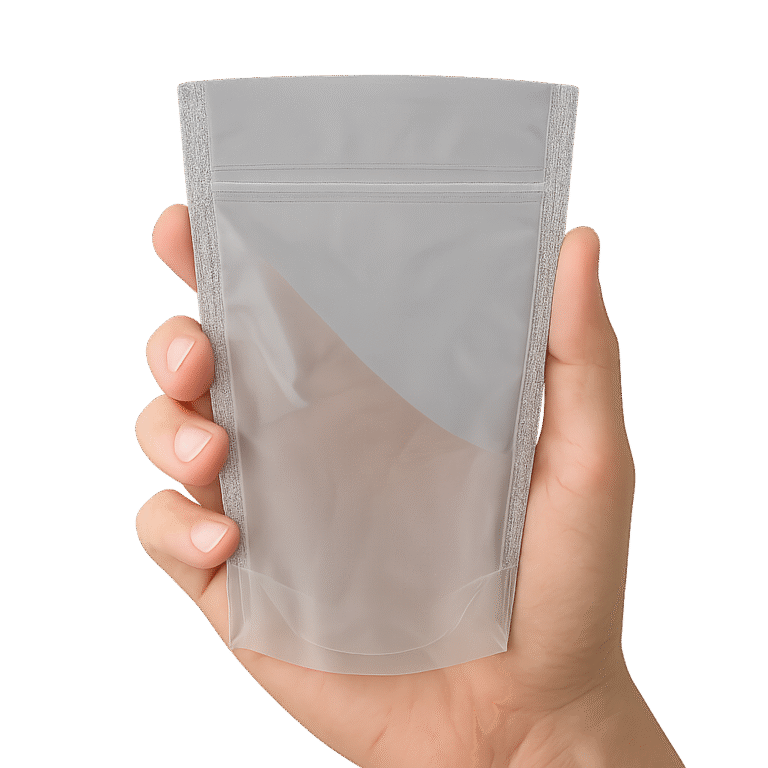
A sheet draped across a rack and a bag-shaped cover represent different proposed constructions. State the form being considered and which surfaces you expect it to cover. If no option has been selected, send a drawing and the intended sequence of use, then ask what samples can be discussed. Do not assume that either format is available as an item ready for immediate delivery.
Prepare a simple sketch showing folds or open edges. Label a design as a proposal until it is agreed. PE products in a catalogue provide a starting point for a discussion about material and form; they do not establish the supply of rack covers in a specific size or construction. Price, minimum quantity, and manufacturing feasibility depend on the actual offer after requirements are understood.
Explain fitting without inventing material capabilities
Describe the intended fitting method, such as placing the cover over the top and opening it to remove goods. If ties or other components are involved, state who supplies them and where they contact the rack. Do not add heating, adhesive, or rack modification instructions without appropriate guidance and agreement from the responsible parties. A purchasing brief should make the proposed sequence clear, not authorise an unreviewed alteration.
Check for sharp edges, moving parts, walking routes, or heat sources around the proposed location. Share these conditions with the supplier and the person responsible for the area. This article does not determine that a particular plastic is safe in those conditions. An additional cover must not be treated as a substitute for safety controls, machine guards, or required equipment at the site.
Describe the environment and qualify protection claims
Explain indoor and outdoor conditions accurately, including possible contact with water or sunlight where relevant. Do not present weather resistance, dust-tightness, antistatic performance, or heat resistance as established results. Write them as requirements needing confirmation and evidence for the material and construction that are actually being offered for the enquiry. Similar looking film does not establish equivalent performance.
A photograph of a covered rack does not demonstrate a level of protection. If your team requires a specific assessment, agree what will be observed and who can make the decision. Record limits of use provided by the supplier. A practical site trial can reveal usability difficulties, but it does not automatically create certification or prove performance in every environment.
Run a trial that represents daily handling
Fit the sample to a rack loaded in a way that represents intended use. Try closing, opening, removing goods, and replacing the cover in the same order. Record locations where it catches and areas that are too loose or obstruct access. Separate appearance notes from functional observations so that the assessment is not based only on a neat-looking photograph.
Give each sample a code and record changes from the previous version. If rack dimensions or the arrangement of goods change, do not assume that earlier observations remain fully applicable. Choose the next questions from actual findings: which measurement needs discussion again, which side must stay open, and what aspect of fitting is still unconfirmed. This provides a clearer basis for a further sample conversation.
How should trial findings become decisions?
Summarise observations by rack side rather than assigning only an overall rating. The front may open easily while a side still catches. Record the handling sequence that produced the observation so that the next trial can be compared. If rack position, goods dimensions, or the person handling the cover changes, keep that information with the findings.
Separate approval of form from approval of protective performance. A sample that is easy to fit does not prove weather resistance or a dust protection level. Request a specific decision on each open requirement before preparing an order. This prevents a change in sample shape from accidentally becoming an unconfirmed material performance claim.
Send one brief for the product discussion
Combine rack drawings, dimensions, goods positions, access sides, fitting steps, and environmental conditions in one brief. Distinguish measurements from proposals and include an older sample when available. The Cave Mekar Group PE plastic page and Mekar Plastik PE plastic page provide starting context, not approval of a rack cover application.
See the group product directory for relevant discussion routes. Cave Mekar Group comprises five companies and seven plants according to owner-confirmed facts. Ask the team about availability, offered dimensions, documentation, price, and delivery. Keep the supplier response with the sample version so that a future purchasing decision refers to the same requirements.
| Brief information | Record |
|---|---|
| Contents / form | Actual example and version identity |
| Use | Proposed handling sequence |
| Dimensions | Units and measured areas |
| Decisions | Open questions and unapproved limits |
Follow us on Instagram: @cavemekargroup.
Frequently Asked Questions
Does a PE catalogue mean rack covers are ready in stock?
No. Form, dimensions, availability, and application suitability require discussion using actual needs and samples.
Which rack dimensions should be recorded?
Record width, height, depth, protrusions, goods positions, and the sides that need access.
Is a sheet the same as a bag-shaped cover?
No. Their forms and fitting methods differ, so dimensions need discussion for each design.
Is an additional cover necessarily dust-tight?
No. Protection requires evidence for the material, construction, and agreed conditions of use.
What should be tried with a sample?
Try covering, opening, removing goods, and replacing the cover on a rack representing intended conditions.