Updated: 28 October 2026
What should you prepare when requesting plastic spoons for a cutlery kit?
Explain the number of spoons per set, the example container, and any other components your team will combine. Bring a complete pack sample to check space, orientation, and access. Separate the spoon requirement from unconfirmed assembly or wrapping services. Discuss intended use and product documentation with the supplier rather than inferring suitability from the appearance of the pack alone.
Start with the actual set the customer will receive
A spoon brief for a cutlery kit should explain the contents of one set before discussing a large order quantity. Does one set contain only a spoon, or will the customer add other components? State who supplies each component and who combines them. A photograph of the complete pack helps others understand the available space, but a physical example is still needed when shape and access must be checked.
This article explains information a buyer can prepare. A spoon listing in the group catalogue does not automatically establish kit assembly, tissue, fork, wrapping, or printing services. Separate each requirement as a question to confirm. This prevents a product enquiry and a service enquiry from merging into an assumption during the initial conversation.
Calculate spoon demand from the number of sets
Use an explicit unit on every enquiry line. The number of sets, spoons per set, supplier pack quantity, and cartons are different pieces of information. In a hypothetical example, two hundred sets requiring one spoon each create a basic requirement for two hundred spoons. This illustrates arithmetic only; it is not an order recommendation or a statement about the offered pack quantity.
If your team prepares extras for examination or replacement, show that allowance separately and explain its internal purpose. Do not hide it within the set count because the recipient may interpret the quantity differently. Once the supplier explains its quotation units, reconcile the basic requirement with those units. Price and minimum order quantities still need direct confirmation; they cannot be inferred from this example calculation.
Identify the components supplied by the customer
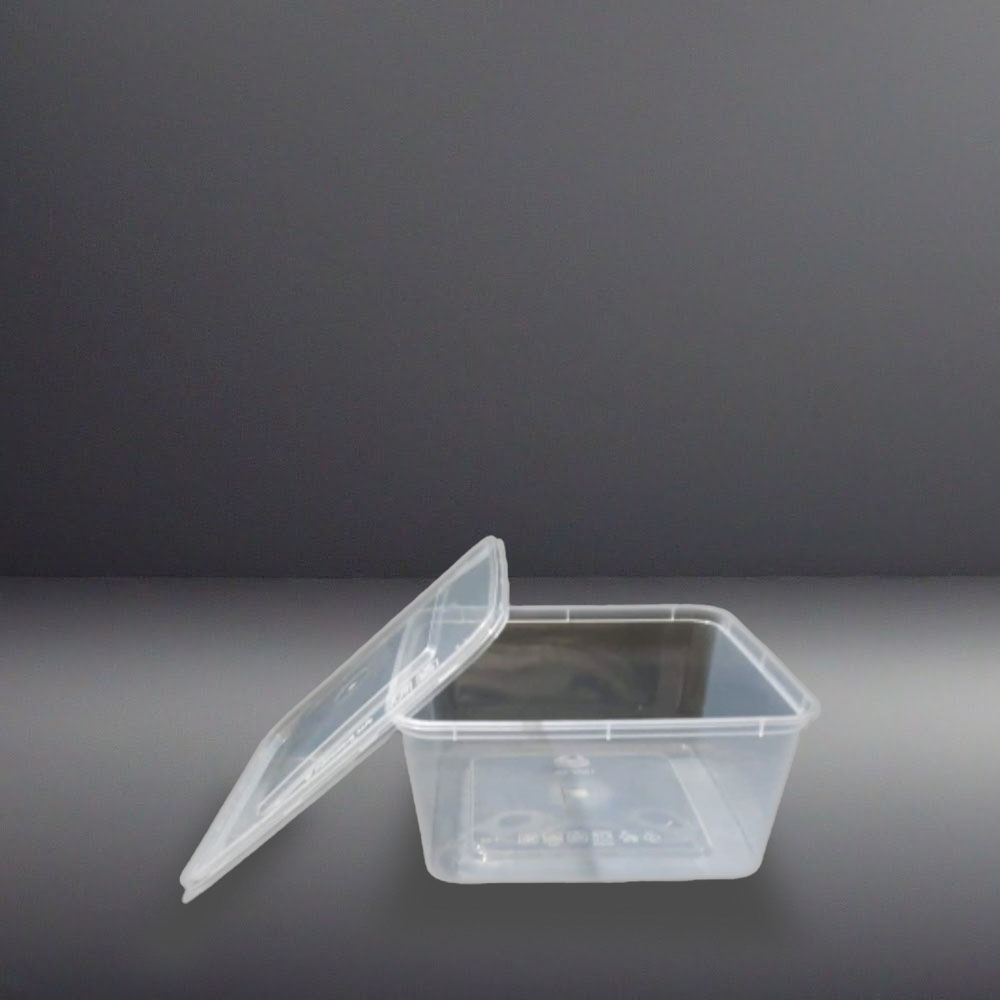
List every object that will be in the pack: spoon, container, lid, and any other component your team actually uses. State which items are already available and which remain undecided. For an item from another supplier, include its identity and sample so the discussion of available space does not depend on a rough assumption based on a product name.
Tissues or additional cutlery, if used, remain customer-pack context until their supply is agreed. Do not state that one party will provide the entire kit without confirmation. This separation also helps during revisions: a change to one component can be evaluated against the complete pack while retaining clarity about who needs to follow up on its dimensions or shape.
Measure the space with the real arrangement
Spoon length alone does not establish whether a kit fits. Consider the room remaining after other components are placed, the spoon orientation, and the parts touching the pack walls. For a lidded container, include the lid actually paired with that body. Do not assume that the space visible with the lid open is the same as the space after closure.
Arrange the example as intended, then photograph it from above and from the side before and after closing. Mark protrusions on the photograph and record the component positions. These observations help determine the next questions for the supplier; they do not establish that a particular spoon shape will definitely fit or that the pack is suitable for every distribution condition.
Try the orientation and the access sequence
A kit that looks tidy on a table may not be easy to access in the intended sequence. Ask team members to pick up the pack, open it, and remove the components according to the scenario discussed. Record whether the spoon changes position, catches behind another component, or must be moved before the container can be opened. Use an example representing the actual arrangement.
Keep the procedure consistent when comparing two options. If one example places the spoon beside the container while another puts it on top, the result reflects more than a spoon difference. Keep a record of arrangement changes. Avoid assigning a cause from one photograph; use the observations to discuss alternatives that need another trial.
Separate shape evaluation from evidence for use
The shape, colour, and appearance of a pack do not prove suitability for every food application. Explain the serving requirement and the conditions to discuss with the supplier. Request relevant documentation for the actual item offered rather than transferring documents from a similar-looking product. This article does not guarantee food-contact suitability, temperature performance, or certification.
When the kit is used with a particular container, examine the requirements for each component. An approval for the container does not automatically cover the spoon or the wrapping material. Equally, spoon suitability does not demonstrate that the entire pack meets distribution requirements. Record functional and documentation questions separately so a visual examination is not mistaken for a broader technical approval.
Build a brief that separates products and services
The table below is an example working format, not a group quotation or service commitment. Enter only known information. For anything uncertain, write a question requiring a response. Attach photographs or sample codes so buyer and supplier do not interpret “complete kit” differently.
| Brief section | Information to prepare |
|---|---|
| Contents of one set | Spoon count and customer-supplied components |
| Matching container | Sample code, lid, and available space |
| Quantity | Sets, spoons per set, and separately stated extras |
| Services | Assembly or wrapping still requiring confirmation |
| Evaluation | Arrangement, access, and required documentation |
Send the format together with a pack example. If the supplier responds only about the spoon product, do not assume the service field has also been approved. Request a specific response on any requirement still open.
Use the catalogue to begin the discussion
The Cave Mekar Group plastic spoon page introduces the product, while the thinwall page helps discussions of a matching container. The product page describes individual packaging requirements as something to discuss with the team. Bring that need as a question rather than treating it as a service already ordered.
For container context from a group company, see the PT. Cave Sumber Berkat thinwall page. Use catalogue information within the scope of the particular product and reconcile it with the actual example under discussion. Do not copy container specifications onto a spoon or assume all variants share the same documentation and use conditions.
Close with a list of outstanding decisions
Before requesting a follow-up quotation, summarise the spoon shape under discussion, the basic quantity, the kit arrangement, and the customer components. Flag unconfirmed dimensions or services. If the pack example changes, assign a new version and explain what changed so an earlier trial is not automatically applied to a new arrangement.
Cave Mekar Group comprises five companies and seven plants according to owner-confirmed facts. Discussions across products should retain the identity of each item and the relevant company. Start with the group product directory and follow @cavemekargroup. Price, availability, minimum order quantities, documentation, and shipping need confirmation against the actual enquiry.
Keep the discussed kit under a version identifier. The guide to reference samples and reference images helps teams record approved aspects and questions that still need confirmation.
Frequently Asked Questions
Does the group automatically supply a complete cutlery kit?
That should not be assumed. Separate the spoon enquiry from customer components and assembly or wrapping requirements, then confirm each with the team.
Is the number of sets the same as the number of spoons?
Only when each set uses one spoon. State spoons per set, the basic requirement, and extras separately before reconciling them with quotation units.
Why bring a container sample?
The container and matching lid help examine space, spoon orientation, and the access sequence in the actual pack arrangement.
Is individual wrapping definitely available?
Discuss individual packaging requirements with the team. Do not assume the service, wrapping material, or quantity is agreed before confirmation.
Does the appearance of a kit prove food-contact suitability?
No. Intended use and product documentation must be discussed for each offered component. A visual examination does not replace relevant evidence.