
Updated 12 November 2026
How should incoming packaged drinking water cup samples be logged?
Give each sample pack a receiving code and record the marked size, date and sender. Separate retained units from those assigned to filling or sealing trials. After testing, move the used cups to a labelled tray and link the findings to the original code. Procurement can use that record to identify the units under discussion with the supplier.
What should be recorded before opening the sample pack?
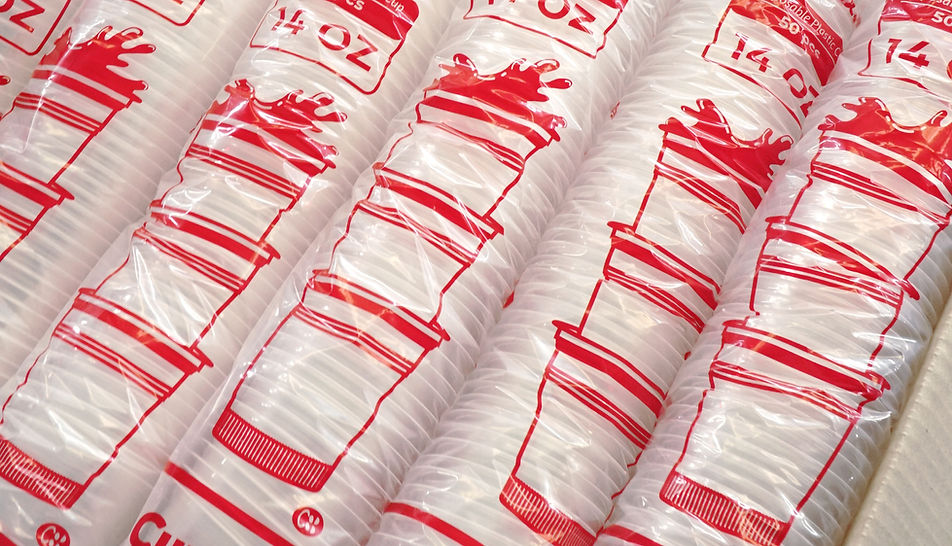
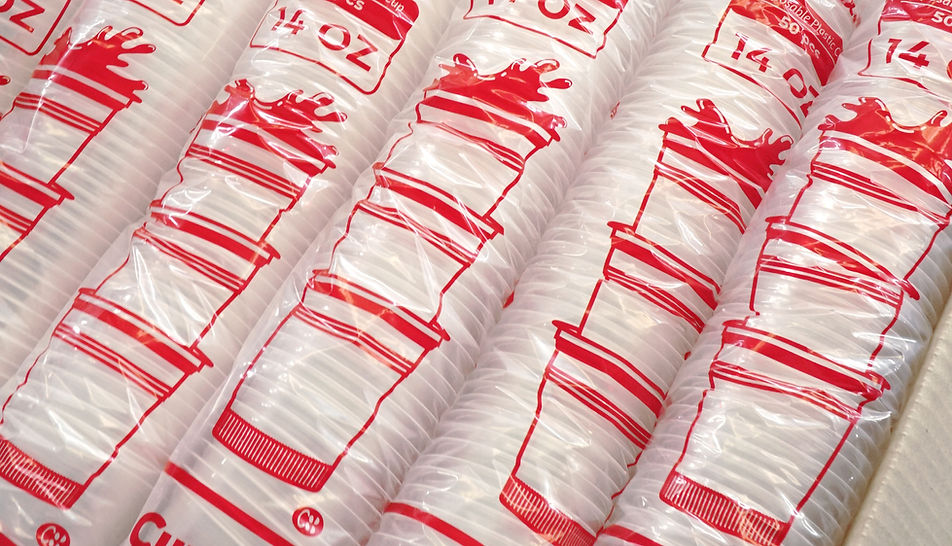
Photograph the outer label and save the delivery reference in the receiving record. Copy the size and product code as written on the pack. If a lot code is visible, record it alongside the sender’s identifier. If the samples arrive without readable labels, mark their identity as unverified and contact the sender. Keep the samples in their original packaging until their identity is clear under your receiving procedure. If a shipment includes two sizes, assign a subreference to each pack before removing any cups. Photograph each label with its subreference to reduce the chance of switching sizes at a shared bench.
How should cups be allocated to testing and retention?
Set up separate trays or containers for the cups allocated to testing and those that will be retained. Use references such as AM-012-U and AM-012-S with AM-012 as the parent code. Record the number of units moved to each tray, the time and who prepared them. Put the purpose on the container body so the label stays readable when the lid is lifted. Follow workplace procedures for selecting units, handling packaging and determining storage conditions. If retained cups stay in their original wrapper, put the reference on the wrapper and record its storage location separately.
When should cups move to the used tray?
Define the handover point before starting the trial. For example, every cup leaving trial filling goes to the results tray, including units that did not reach sealing. Record the actual stage on the trial sheet. If some units proceed to sealing, use a subreference that connects the filling sequence with the sealing observation. Keep cups that have passed through the equipment out of the stack awaiting testing. If a unit is opened to inspect its lid, record the time and retain photographs from before and after opening where the inspection procedure permits it.
How can results be linked to cups that look alike?
Use a tray position list or numbered compartments. Record the tray code and unit position before taking photographs. If a photograph shows the cup rim or part of the lid, include a position marker without covering the observed area. Record one observation per line so two events on the same cup can still be linked. If a cup moves to another inspection station, record the new location before closing the trial sheet. If the unit identity is lost, mark the photo as a general observation that cannot support a finding about a particular unit.
Which details should carry over into a repeat trial?
Keep the same parent code when the cups come from the same sample pack. Assign a new trial reference and record which cups were allocated from the unused portion. Record the equipment identifier, cup holder, lid and operating conditions that the site allows you to record. When comparing results, identify the intended change, such as a comparison lid, and the conditions kept the same. If the trial needs fresh cups from another delivery, create a separate receiving reference. Link the two records through the comparison question so each delivery and each cup’s handling history stay clear.
| Tray | Record |
|---|---|
| Unused | Parent code, allocated count |
| Used | Trial stage and results |
| Retained | Count and storage location |
How should the team handle a count discrepancy after the trial?
Compare the received count with the allocation record before investigating the discrepancy. Check the tray awaiting testing, the results tray, opened units and cups moved under workplace procedures. If staff find a unit outside its recorded position, document the finding and avoid changing the result as though the original identity were certain. Timestamp any correction and record who confirmed the match. If the count still cannot be reconciled, record the known count and outstanding difference before sending the findings to procurement.
What should procurement send when discussing the results?
Start with the product and sample references, the trial stage and the question to resolve. Attach a delivery label photograph and the results sheet with position markers. If the discussion concerns lid fit, specify the lid code and the stage at which the change was observed. Indicate whether unused units remain from the same pack. If physical samples are needed, agree which units to send and how to handle them. Add the supplier reference to the internal log when received so procurement can retrieve the discussion when deciding the next step.
How should the receiving record be closed after the trial?
Check that the retained count and physical location are recorded. Keep trial observations separate from the acceptance decision made by the responsible person at the site. Note whether code verification, documents or further testing are outstanding. Link each request to the parent code so it can still be traced once the trial is closed. Follow internal procedures for samples that will not be retained and record their final disposition where required. If the log will support another review, keep a version showing the delivery identity, usage history, retained sample status and latest supplier response.
When should retained cups be released for another inspection?
Review the test question with the person responsible for the samples. If retained units need to be released, record the count, trial reference and destination. Check that the wrapper still carries its original label and photograph its condition before opening where required. Use a separate tray for the released cups so the remaining units can still be identified. After the additional trial, update the retained count and findings. If the last unit is used, record that a further comparison will require a fresh delivery or another sample of known origin.
How do you connect records made by two staff members on different days?
Show the parent code, handover date and tray location in the log. Ask the second employee to confirm the count before starting another trial. If a tray has been emptied, retain the time and destination of the move. Record which initial trial documents the employee consulted before selecting another unit. As a rehearsal, give the second employee one result reference and ask them to locate the original photograph, unit position and retained sample status without asking the first employee to repeat their explanation. If the exercise fails, mark the unclear part of the record. Revise the column names or tray labels and repeat the exercise with another result. Date the format change so records from previous trials remain understandable alongside new ones.
See the Cave Mekar Group product page and the related group catalogue. Use the group contact page to discuss the samples and send your trial record.
Frequently asked questions
What if the pack label is unreadable?
Keep the photograph and delivery reference. Mark the identity as unverified and contact the sender.
Do retained and test units use the same code?
Use the same parent code if they share an origin and add suffixes to distinguish their purpose.
Where does a cup go after trial filling?
Move it to the results tray under your procedure and record the stage completed.
What if a test cup loses its position marker?
Mark the unit identity as unverified and separate its observation from traceable results.
What should procurement include in a supplier discussion?
Send the sample code, trial stage, label photographs and a findings summary with the question to resolve.