Updated: 4 November 2026
What distinguishes mulch from greenhouse film?
Mulch and greenhouse film occupy different positions in a growing system, so their requirement data also differ. Describe use on a planting bed or a protective structure, the area dimensions, and the intended installation conditions. Discuss specifications and samples with the relevant supplier. Colour and thickness alone do not establish service life, crop protection, or harvest results.
Start with the film's position in a drawing
Make a simple side view of the growing area. Mark soil, planting beds, plants, and any structure, then highlight the part you want covered. Position helps distinguish a ground-cover enquiry from a structure-cover enquiry before discussing dimensions. There is no need to invent a technical construction drawing when data is missing; mark what still requires measurement. The sketch explains the use location rather than approving a building design or cultivation method. If both applications are needed, use two markers and two requirement lines rather than one general agricultural-plastic enquiry.
Write down the actual purpose
For each position, describe the purpose using ordinary working language. One requirement might concern covering a planting bed while another concerns a layer over a growing structure. Then record questions requiring advice from a cultivation specialist or supplier. Do not begin with promises of healthier plants or higher yields; a product name cannot establish those outcomes. The buyer's purpose is a requirement to assess, rather than evidence that every film option produces the same result on every site. Keep the intended function separate from the performance information still requiring confirmation.
Measure the planting bed as its own requirement
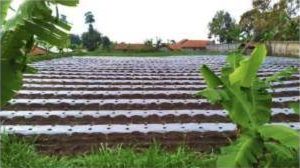
For mulch, identify the particular bed and record dimensions that have actually been checked. Distinguish the width of the area to be covered from the name or size of a roll on offer. Code differently shaped beds separately instead of averaging them into one figure. Ask the relevant team to determine any additional installation allowance; this article supplies no width-addition formula or hole-spacing recipe. Photographs with orientation markers can explain a measurement, but perspective cannot replace measuring. Keep the units and date with the bed's reference code for subsequent discussion.
Measure the structure without guessing the covering span
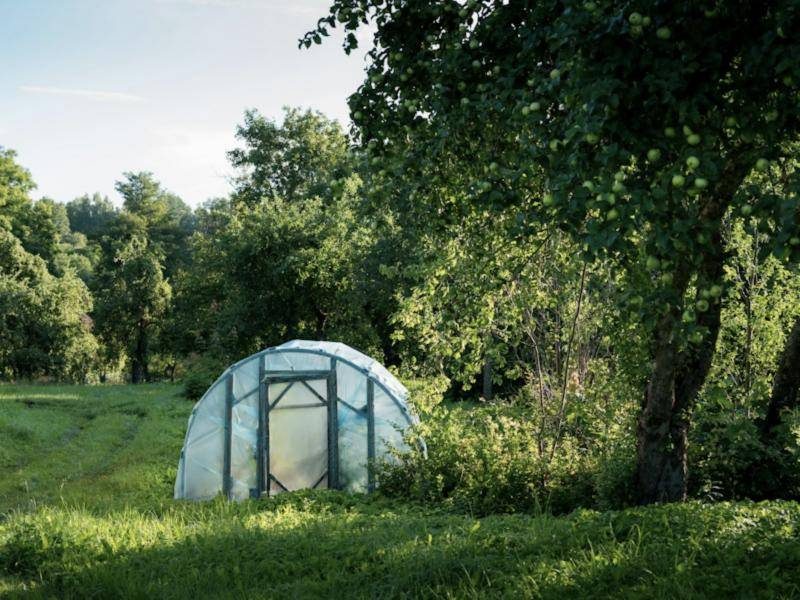
For greenhouse film, collect available drawings or structure dimensions and mark the surfaces to be covered. Explain whether a figure describes the structure, a surface span, or a buyer's estimate. Do not turn floor width directly into required film width without considering the structure's shape and intended installation method. Record differences between old drawings and current conditions. Coverage calculations and installation details require discussion with people who understand the structure. Begin with available information rather than inventing allowances or declaring a film sufficient from floor area alone. Mark missing dimensions clearly.
Separate area dimensions from roll format
An enquiry can contain three groups of figures: area dimensions, the film dimensions being discussed, and the number of rolls. Keep them in separate columns. Ask what the supplier means by width and length for a particular option, including how the film is presented on delivery. Do not equate figures on two packs without definitions. If the roll quantity cannot yet be calculated because installation details remain open, record that question. This gives quotations a common basis without inventing conversions or ordering solely from an area estimate that has not been reviewed.
A hypothetical site with two requirement lines
Imagine a growing site preparing covers for several beds while replacing film on one greenhouse structure. The team labels the beds A and the structure B, then prepares separate drawings and dimension lists. An old roll photograph is retained as a reference, rather than the final specification. Discussion A concerns bed surfaces; discussion B concerns the structure and installation plan. This is not a customer project or cultivation recommendation. Separating the lines prevents an order based on the assumption that every agricultural requirement can use the same plastic option simply because the material looks similar.
Colour and thickness require context
Record colour and thickness from information traceable to the sample or supplier document. A photograph cannot establish thickness or additive content. Likewise, a UV label needs the correct product information; it should not be converted into a particular service-life claim. Explain any special exposure or conditions to the relevant team and ask what evidence applies. Do not compare two products solely because both are transparent or both are silver-and-black. Variant identity and intended use must remain clear. Missing information should stay marked for confirmation rather than being inferred from appearance or a familiar product name.
Bring the conditions actually known
Describe known site conditions, previous film use where relevant, and difficulties observed during earlier installation. Separate an observation, such as a torn section, from a suspected cause. Photographs of old damage can support discussion but cannot prove that a new product will resolve it. Do not infer agronomic requirements or structural adequacy from one symptom. Involve competent people when use and installation need assessment. The buyer's notes should clarify questions before film selection, rather than offer a site diagnosis without the relevant examination. Include dates and the location of observations.
Define the sample question before delivery
Before requesting samples, define what needs discussion: variant identity, delivery format, stated dimensions, or suitability for the intended use. A small sample does not represent every installation condition on a bed or structure. Do not approve service life because an example looks satisfactory on arrival. Connect each sample to the correct document and question. If several options arrive, keep their packaging and codes separate. An approval should describe what was actually assessed and what remains unresolved, rather than simply stating suitable. Record who issued the decision and which sample it covers.
Route the enquiry to the relevant team
The PT. Cave Sumber Berkat agriculture catalogue and Mekar Plastik catalogue provide context for mulch and greenhouse-film categories. Use them to begin a requirements discussion without copying one option's specification into a rule for every product. Cave Mekar Group can help direct the enquiry to the relevant team. Include two requirement lines when discussing both applications, along with known quantities and the destination city. Prices, variants, minimum quantities, documents, and delivery require confirmation in the actual quotation. Category information does not establish stock for a particular purchase plan or confirm a final specification.
Update the record when the area changes
Changes to bed shape, structure, covered surfaces, or installation plans should be recorded before using an old order as a reference. Keep the drawing revision and explain which figures changed. Do not multiply roll quantities solely by increased area when the earlier calculation basis is unknown. Ask the relevant people to review the need and connect their decision to a new quotation. Separate records for mulch and greenhouse film help a later purchase trace the option, measurement source, and resolved questions without promising cultivation results or an unsupported period of use. Maintain distinct references for both applications.
| Requirement | Data to bring |
|---|---|
| Mulch | Bed code and the covered area |
| Greenhouse | Structure drawing and covered surfaces |
| Roll | Dimension definitions and confirmed quantity |
References and next steps
Cave Mekar Group product directory.
Discuss the requirement with the group team.
PT. Cave Sumber Berkat agricultural-plastics categories.
Follow our group on Instagram: @cavemekargroup, @mekarplastik.id, @cavesumberberkat.
Frequently asked questions
Are mulch and greenhouse film the same?
They concern different use positions; confirm the option against the requirement.
Is floor width enough to select greenhouse film?
No. The structure shape and installation plan need review.
Does colour establish service life?
No. Request the relevant product information and evidence from the supplier.
Does a small sample establish harvest results?
No. A small sample does not establish cultivation results or every installation condition.
What should an enquiry for both films include?
Send two requirement lines with drawings, known dimensions, quantity, and destination city.